Silicone Oil Bleeding and Surface Tackiness: Root Causes and Acceptance Tests
Read:10
Tacky surfaces, dust-attracting gloss patches and oil stains on inner cartons are among the most common quality complaints on silicone consumer goods — and almost all of them trace back to two causes: excess silicone oil in the compound, and incomplete curing. The practical conclusion for buyers: both are testable at goods-in with procedures that cost the factory nothing, so demand a bleed-and-tack acceptance clause in your QC plan rather than discovering the problem from customer returns.
What the defect looks like in the field
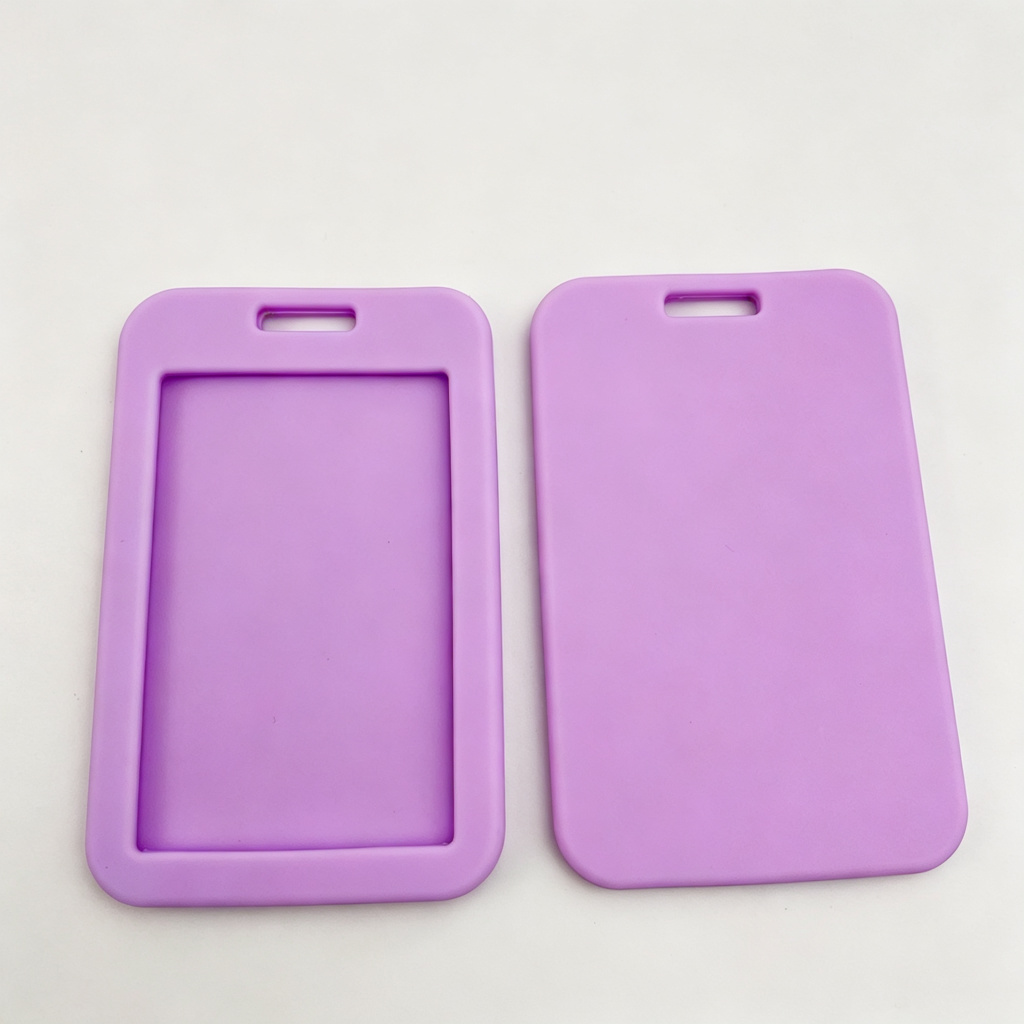
The classic presentation is a phone case or wristband that felt perfect at inspection but becomes progressively sticky after weeks in polybag packaging, especially in warm climates or shipping containers. Buyers report "the surface feels like glue", matte textures turning shiny, printed logos smudging, and brownish oil marks appearing on the inside of retail boxes. None of this is visible at the moment of production, which is exactly why it slips through routine inspection — the defect develops after the goods have left the factory.
The root causes
- Excess compound oil. Silicone compounds include a controlled amount of low-molecular-weight silicone oil as a process aid. Cheap or reworked compounds often carry too much, and the surplus migrates to the surface over time. More filler-heavy or "stretch-enhanced" recipes are frequent offenders.
- Under-curing. If the crosslink network is incomplete, unreacted polymer chains stay mobile and migrate outward, producing the same tackiness with a different root cause. Under-cure commonly comes from short press cycles, cold moulds after start-up, or skipped post-cure.
- Contamination or incompatible contact. Contact with plasticised PVC, certain inks, or adhesive-backed accessories can soften the silicone surface locally, showing as patches rather than overall tack.
- Surface coatings. A spray-coated matte finish that was under-baked or applied too thick cracks and lifts, and the exposed base compound reads as tackiness.
Why packaging and storage make it worse
Sealed polybags and closed cartons trap migrating oil against the surface instead of letting it evaporate or spread harmlessly. Heat accelerates migration; a container crossing the equator in summer can do more damage than a month in a warehouse. This is why goods must be evaluated after a defined storage simulation, not only at the press. A batch that passes inspection on day zero and fails a two-week sealed-bag test will fail in the field the same way.
Acceptance tests that cost the factory nothing
- Sealed-bag ageing: store 5–10 samples in sealed polybags at 50 °C for 72 hours, then cool and assess tack. This compresses weeks of shelf life into three days and catches most oil-bleed problems.
- Blotting-paper contact: press a sample face-down on white filter paper in a sealed bag for 24 hours at room temperature. Visible oil transfer indicates excess bleed. Grade it against an approved reference sample.
- Cellophane-tape tack test: press and peel standard office tape from the surface a fixed number of times; assess residue on the tape and gloss change on the part. Cheap, repeatable, and surprisingly discriminating.
- Weight-loss bake: weigh a sample before and after 4 hours at 200 °C. Excess weight loss indicates volatile content — the same under-cure signature that drives odour complaints.
Symptoms, causes and remedies at a glance
| Field symptom | Likely cause | Verification | Remedy |
|---|---|---|---|
| Uniform tackiness after weeks | Excess compound oil | Blotting paper, sealed-bag ageing | Change compound grade; specify oil-content ceiling |
| Tackiness plus odour | Under-cure, missing post-cure | Weight-loss bake, jar odour test | Restore post-cure cycle; audit press parameters |
| Localized sticky patches | Contact contamination or coating failure | Trace contact history; cross-hatch the coating | Separate materials in packing; re-bake coating |
| Oil stains inside retail boxes | Oil bleed accelerated by heat | Sealed-bag test at 50 °C | Barrier layer (inner bag change), compound fix |
| Matte finish turning glossy | Coating wearing or oil rising through it | Tape test after ageing | Coating process review; surface texture redesign |
What to write into the specification and QC plan
- Compound grade: name the compound and forbid switching without written approval — oil content is where no-name substitutions bite first.
- Post-cure cycle: temperature and duration applied to production parts, with the oven log retained per batch.
- Ageing acceptance: sealed-bag test at 50 °C for 72 h, judged against an approved reference sample for tack and appearance.
- Packaging requirement: oil-resistant inner bags or a separation layer for matte and printed surfaces.
- AQL sampling: apply the tests to a defined AQL plan so results are comparable between shipments.
FAQ
Is a slightly tacky surface always a defect?
Not always. Some soft-touch finishes are intentionally tacky, and certain soft compounds have a mild inherent feel that users expect on grips. The defect criterion is a change over time: a surface that grows stickier after ageing is bleeding, and that is never acceptable.
Can oil bleeding be fixed after production?
Partially. A post-cure bake and a thorough wash reduce surface oil and can rescue borderline batches, but if the compound itself is over-oiled the migration returns within weeks. Remediation is a contingency, not a specification.
Does this affect food-contact compliance?
Yes, indirectly. Oil bleed and high volatiles usually indicate incomplete curing, which also degrades food-contact test performance. For kitchen and baby items, pair the tack tests with LFGB or FDA testing on production parts.
Which product categories are highest risk?
Matte-finish phone accessories, wide wristbands, and any soft item stored sealed in warm climates. Hard decorative keychains and thick structural parts show the symptom far less, simply because their surfaces are smaller and their compounds are usually firmer.
Next step
If you have received tackiness complaints on a current item, send us the product and its packing configuration and we will identify whether the cause is compound, cure or packaging. For new projects, these acceptance clauses are built into our custom silicone OEM and ODM service. Typical risk profiles can be seen across our silicone 3C digital accessories and product catalogue.