Sea Freight or Air Freight for Silicone Orders? A Landed-Cost Comparison
Read:53
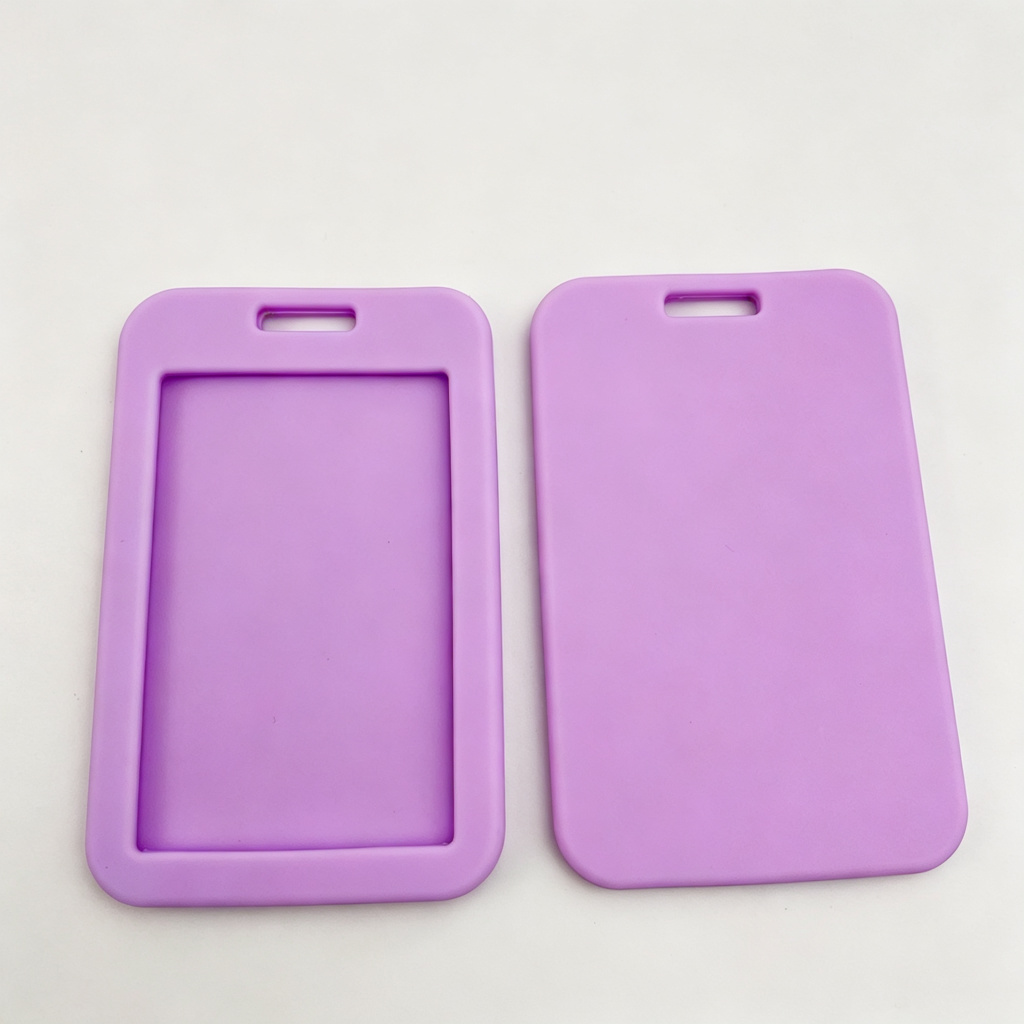
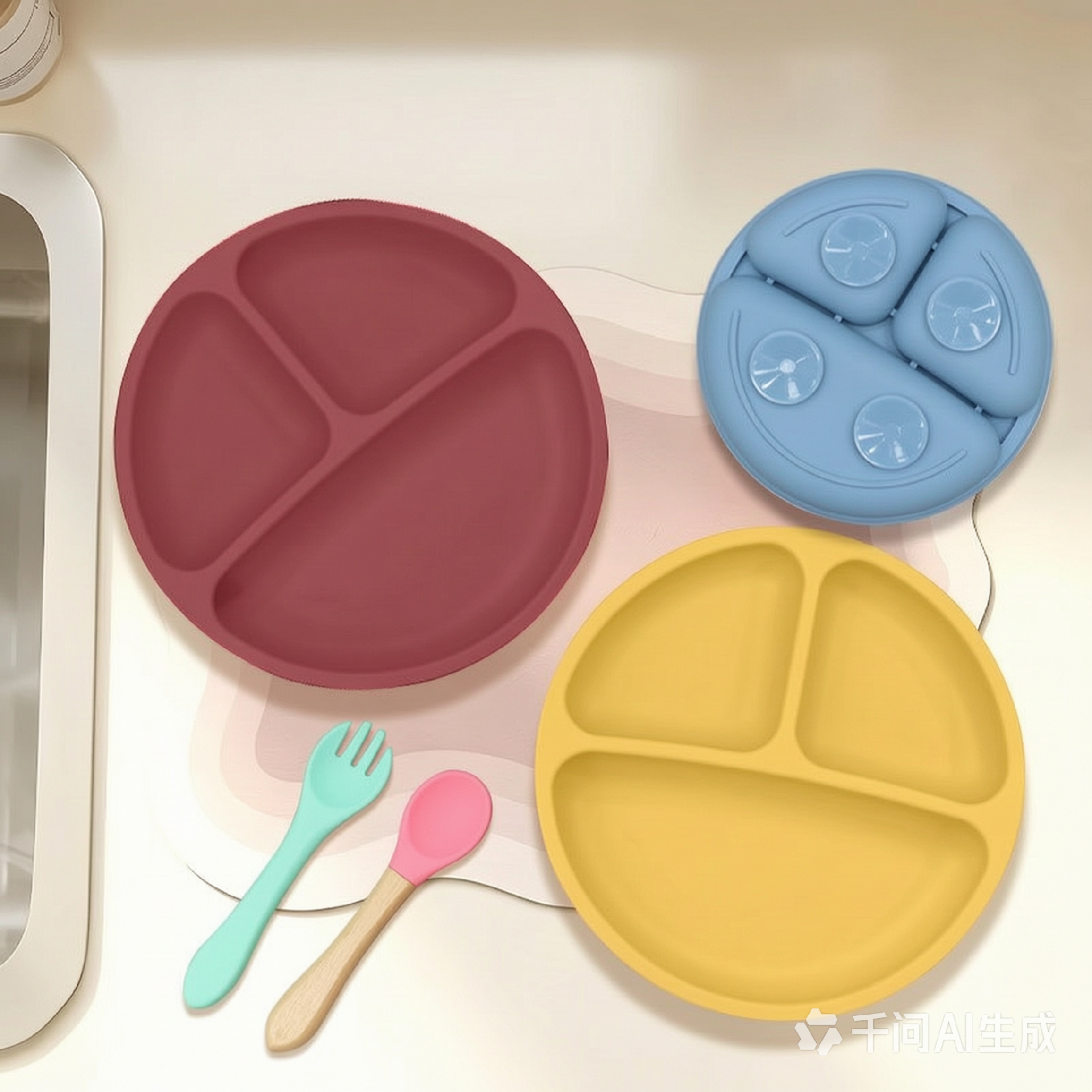
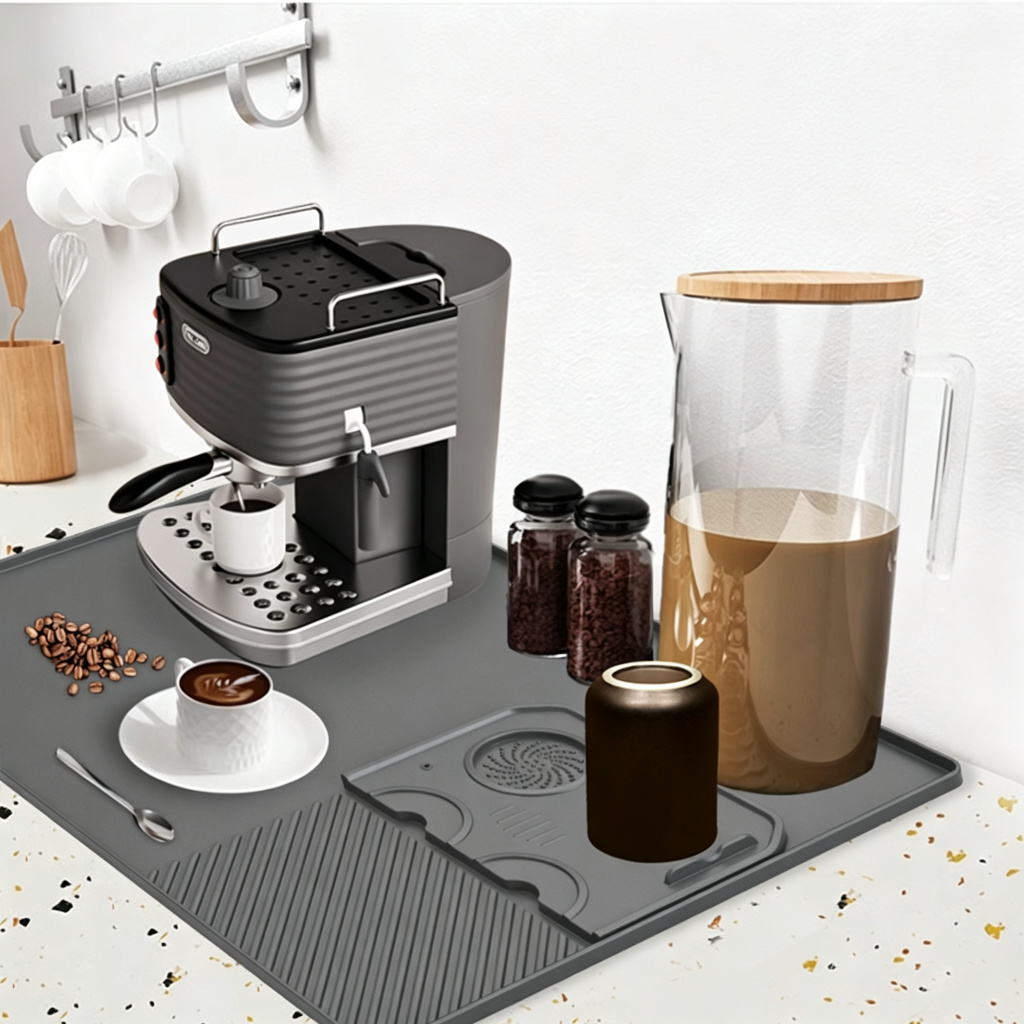
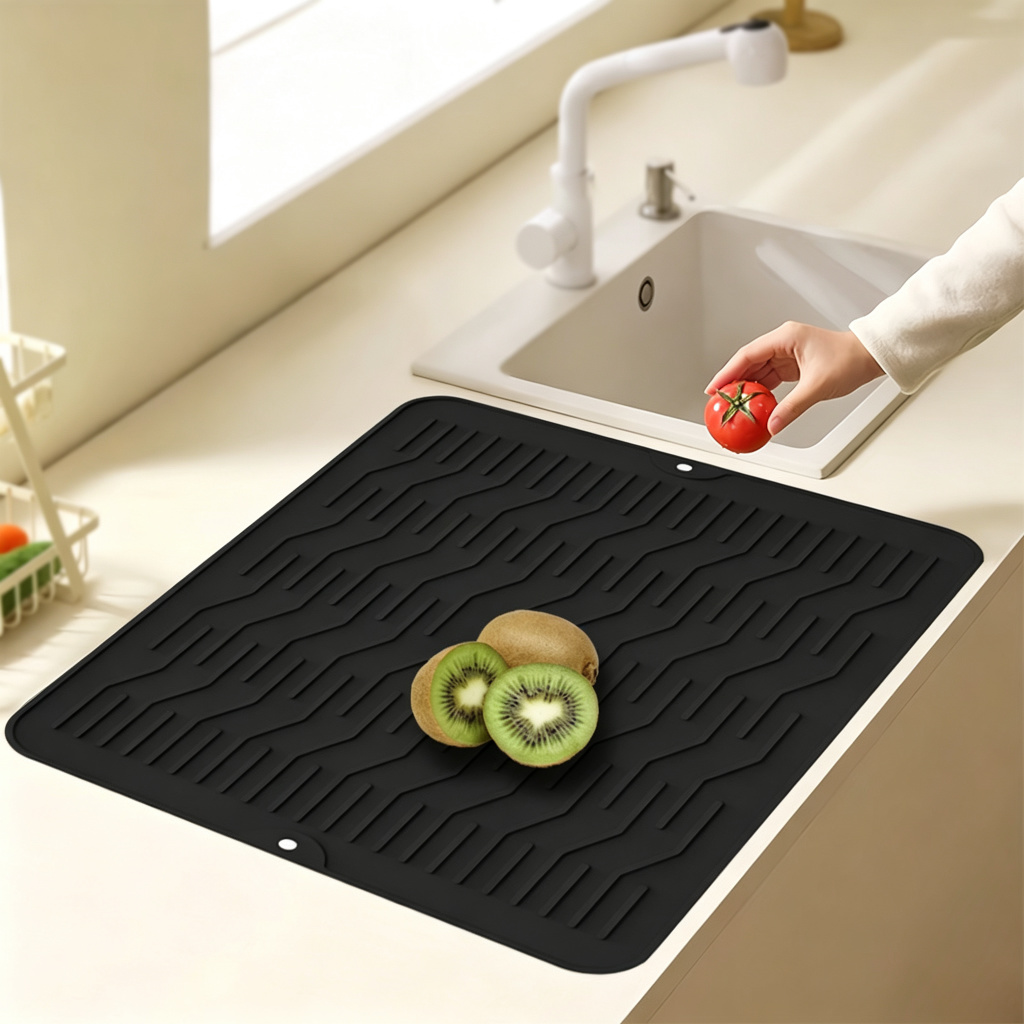
Silicone is light, bulky and compressible, so freight cost per unit is driven by volume rather than weight — and that flips the sea-versus-air decision much earlier than most buyers expect. On a 300 to 800 kg chargeable shipment of phone cases, mats or bottle sets, air freight is often within a few hundred dollars of LCL sea once inventory carrying cost is counted. The comparison only works if you compare landed cost, not freight quotes.
Why silicone is a volume product, not a weight product
Silicone compound itself is denser than water at around 1.1 to 1.3 g/cm³, so the material is not the problem. The packaging is. Hollow parts trap air, individual poly bags add thickness, and retail cartons are designed for shelf presentation rather than container efficiency. A carton of silicone phone cases typically runs at 55 to 70 percent utilisation, which means a third of the container is paying for nothing.
The consequence is simple: your freight invoice is calculated on the space the goods occupy, so a light product can cost more to ship per kilo than a heavy one.
The three options in practice
| Mode | Door-to-door transit | Cost basis | Best for |
|---|---|---|---|
| Air express | 5–8 days | Chargeable kg, minimum weight applies | Samples, launches, under 150 kg |
| Air freight (consolidated) | 8–12 days | Chargeable kg, better rate above 100 kg | 300–1,000 kg, date-critical stock |
| LCL sea | 30–40 days | Per cubic metre, with a minimum | 1–12 CBM, non-urgent replenishment |
| FCL sea (20ft / 40HQ) | 28–35 days | Per container | Above roughly 15 CBM |
Transit times exclude production and exclude port congestion, which in the weeks before Chinese New Year can add a week on its own.
Chargeable weight in one paragraph
Airlines charge whichever is greater: actual weight or volumetric weight. Volumetric weight is length × width × height in centimetres divided by 6,000. A carton of 60 × 40 × 40 cm is 96,000 cm³, so it is charged as 16 kg even if it weighs 8 kg. Sea LCL uses cubic metres with a weight-to-volume ratio applied, and a typical minimum of one CBM. Before comparing any two quotes, convert both to the same basis: cost per chargeable kilo for air, cost per CBM for sea.
When air freight pays for itself
Take an illustrative 600 kg chargeable shipment with 4.5 CBM. Sea LCL at USD 45 per CBM is about USD 200 in ocean freight, but add origin handling, documentation, destination charges and trucking and the door-to-door figure is often USD 700 to 900, with 35 days in transit. Air freight at USD 5.20 per chargeable kilo is roughly USD 3,100 door to door in 10 days.
The gap is real, so air only wins in specific conditions: the goods are launching into a fixed retail window, the item is out of stock and costing sales, or the order is small enough that sea minimums and destination charges eat the advantage. As a rule of thumb, if the shipment is under one CBM and under 200 kg, sea is rarely worth the administration. If it is between 300 and 800 kg of a high-value product with a 60 percent gross margin, the 25 days saved frequently pay for the difference.
Packing decisions that cut freight by 20 to 30 percent
- Compress where the product allows. Mats, cases and lids can often be vacuum-packed or compression-strapped, removing most of the trapped air.
- Drop individual poly bags for interleaving. Tissue or interleaving film protects against scuffing at a fraction of the volume, then bag only the retail unit.
- Nest and stack. Bowls, cups and bottle sets nest; a well-designed carton holds 30 to 40 percent more units in the same footprint.
- Keep cartons under 60 cm on the longest side where possible, to avoid long-length surcharges on air and awkward pallet builds on sea.
- Split the shipment by density. Metal hardware, chains and gift boxes are heavy and cheap to ship by sea; the silicone parts are light and expensive per kilo. Splitting them is often cheaper than shipping one mixed pallet.
Compare landed cost, not freight quotes
A freight quote covers transport. Landed cost also includes origin charges, insurance, duty, VAT or sales tax, destination clearance and the cost of the money tied up in inventory for the extra month at sea. At a 5 percent annual carrying cost, 25 extra days on USD 20,000 of goods is about USD 70 — trivial. At a 25 percent margin on fast-moving retail stock, the same 25 days can be worth thousands in sales timing, which is why the answer differs by product.
Two practical points. First, confirm the Incoterm: an EXW quote excludes everything after the factory gate and is not comparable with a DDP quote. Second, check the HS classification — silicone household articles and silicone cases do not always sit under the same heading, and a wrong code changes duty and can hold the shipment at destination.
FAQ
Is sea freight always cheaper for silicone?
Per kilo, almost always. Per unit of landed cost on a small, urgent, high-margin order, frequently not. The break-even usually sits between 300 and 800 kg chargeable, depending on the freight market at the time.
Can silicone products be damaged in a sea container?
The material survives fine; the presentation may not. Cartons crush under bad pallet stacking, and condensation inside a container can mark printed or domed surfaces. Use desiccant, palletise rather than floor-load, and photograph the loading.
Do I need to worry about heat in transit?
For pure silicone, no. For PVC with a resin dome, or products with adhesive, yes — a container on deck in summer can exceed 60 °C. Ask for under-deck stowage and specify a resin that tolerates the range.
How early should I book before Chinese New Year?
Six to eight weeks for sea freight. Space tightens, rates rise and factories close for one to three weeks, so a shipment that would normally take 35 days can take 55.
Next step
Send the part list with unit dimensions and packed carton size, and we will calculate chargeable weight for both modes before you commit to a quantity. Our OEM and ODM team quotes FOB and can arrange consolidated air or LCL, and silicone travel bottles show how much volume compression packing can recover on a bulky product.