How Silicone Products Improve Protection for Electronic Devices
Read:403
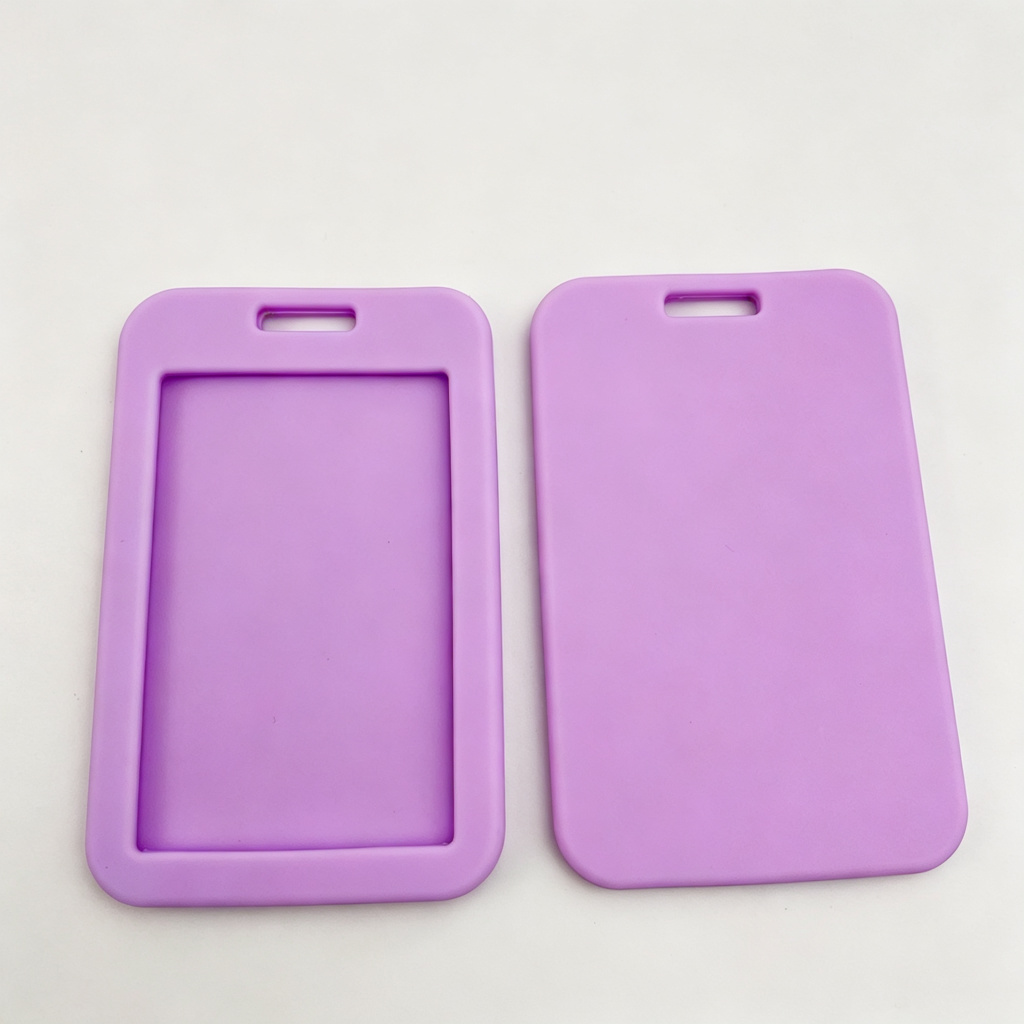
Electronic devices spend much of their life being carried, plugged in, dropped on a desk and tossed into a bag, and that daily handling is where silicone accessories add protection. Phones, earphones, chargers, power banks and flash drives do not need heavy industrial armor in ordinary use; they need a layer that absorbs small impacts, keeps scratches off the surface, organizes the cables around them and wipes clean after contact with sweat, dust or light moisture. Silicone fits that role because it is soft, flexible, washable and available in custom shapes and colors.
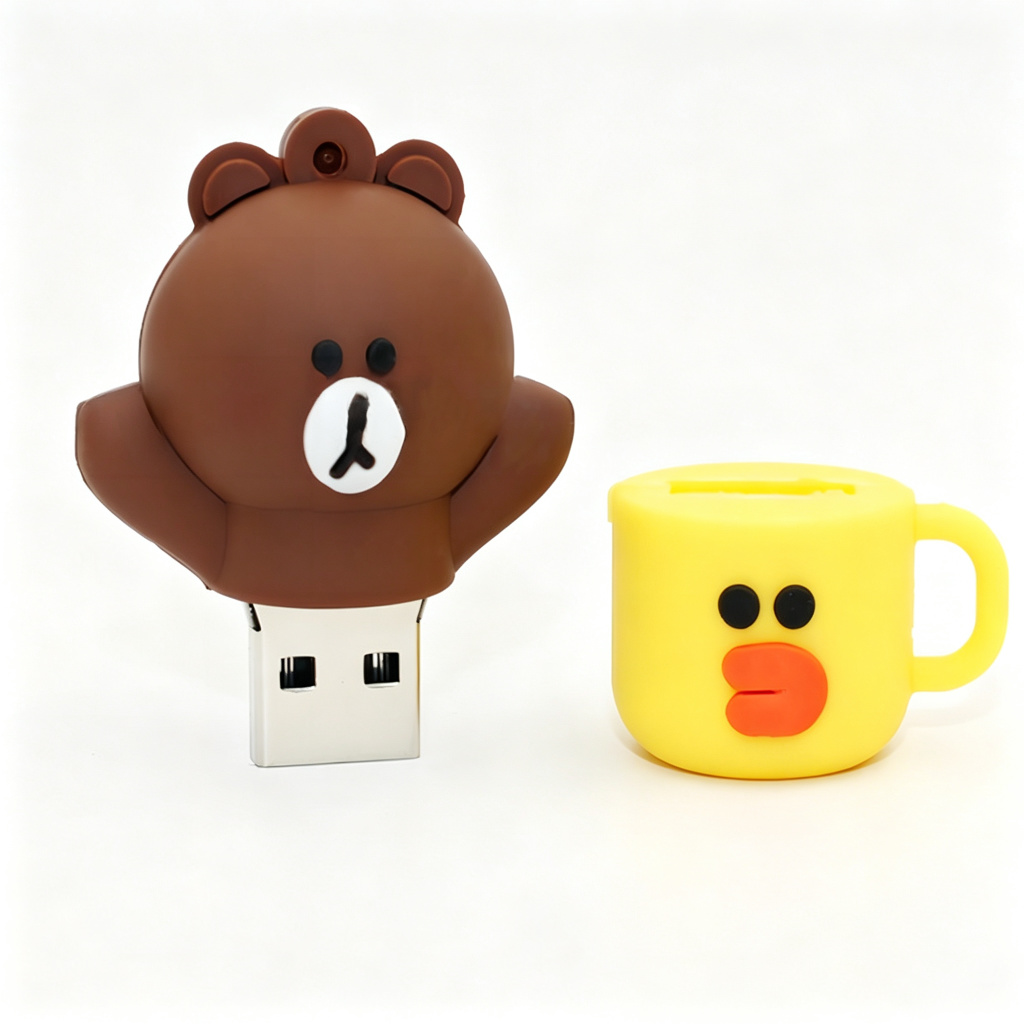
Impact and edge cushioning are the first protection layer. A silicone cover wraps the body and corners, spreading the force of a short drop or bump so the device hits a flexible surface rather than a hard plastic edge. Thicker silicone at corners and raised edges around screens or exposed ports gives more protection, while the main body stays light and easy to grip. The balance matters: too little thickness leaves the device exposed, and an overly bulky cover becomes inconvenient to carry and may block ports or buttons.
Cable and connector protection keeps the parts that fail most often in use. Charger cables break where the wire meets the plug, and organizers keep bundles from tangling and pulling at connectors. Silicone cable ties commonly use a snap closure instead of hook-and-loop: loop fabric catches lint, mats down and wears out after a few months, while a molded silicone snap still closes on samples kept in service for years. Wire sleeves cover the strain-relief bend near plugs, and small wraps hold earphone cords and charging cables together inside a bag or drawer.
Fit accuracy decides whether the cover protects or just sits loosely. A case that is even a small amount too loose feels cheap, slides around and lets dust collect in the gaps between case and device. For custom device covers, measuring the actual phone or drive body is more reliable than relying on published manufacturer dimensions, which are not always exact. 3D scanning the real body captures contours, button positions and port openings, so the final case matches the device instead of a rough outline. Cutouts should line up with ports and buttons, and the case should stay on without stretching out of shape after repeated removal.
Material durability supports daily cleaning and use. Silicone resists light moisture and can be rinsed or wiped clean, which helps around sweat, kitchen spills and bag dust, and a properly selected compound keeps its feel and color through regular washing. Surface finish should be checked on the sample: a sticky or greasy feel after cleaning suggests a material issue, and raised texture that traps dirt should be easy to brush. Heat exposure should be considered too, since devices and their covers can sit near warm surfaces in a car or bag.
Design for protection starts with how the device is carried and used. Define the parts that need cushioning, the cables that need organizing, the ports that must stay accessible, and whether the cover is removed often or left on. Choose hardness and thickness for grip and protection, measure the real device before molding, and test the sample for fit, edge coverage, closure strength and washability before bulk production. When fit, cushioning and material durability are checked together, silicone accessories protect electronics through ordinary daily use without adding unnecessary bulk.