Silicone Cable Accessories: Manufacturing and Customization Guide
Read:530
Silicone cable accessories sit in the daily middle layer between electronic devices and the people who carry them. Cable ties, earphone cases, wire sleeves, charger protectors and small storage wraps keep cords tidy and protect plugs and devices from scratches, sweat and light impact. The category is well suited to private label and custom designs because silicone can be molded to specific shapes, colors and logos, and it survives the pocket-and-bag handling that these accessories go through every day.
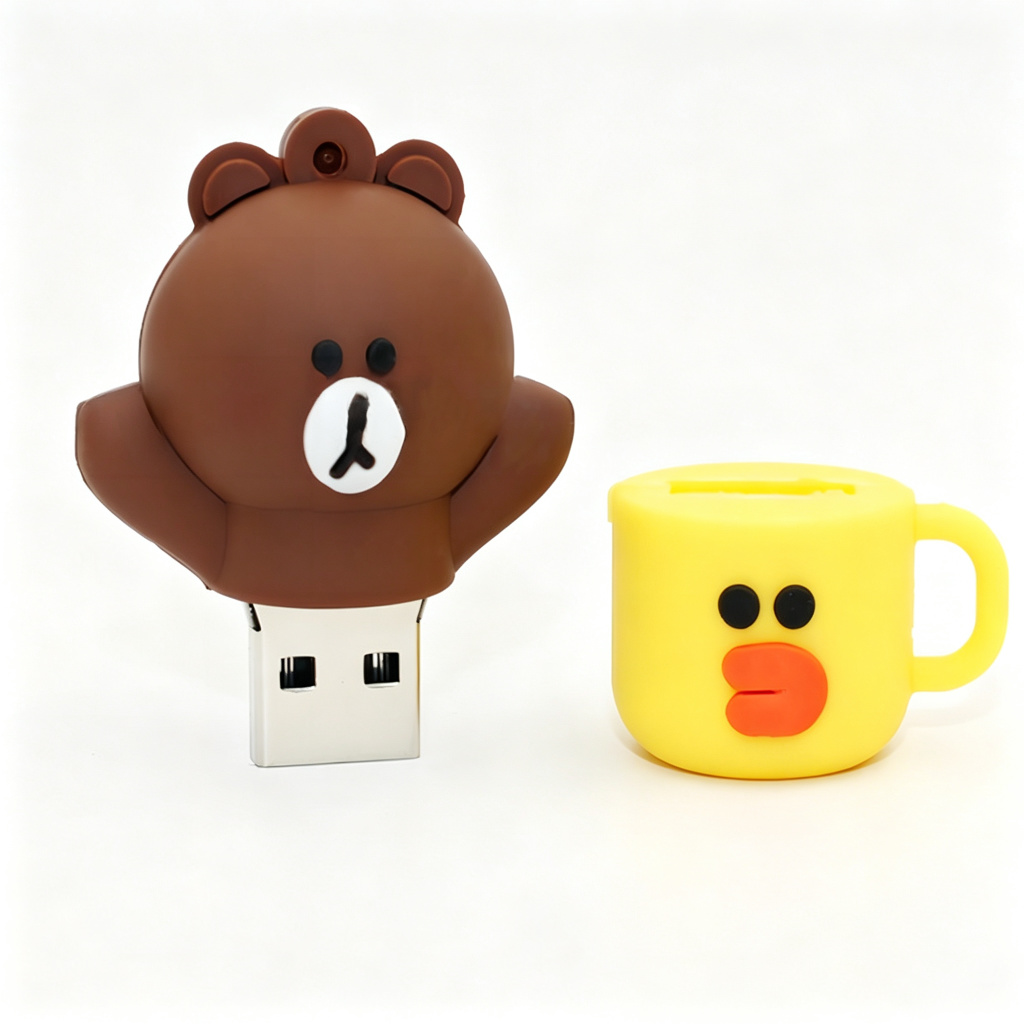
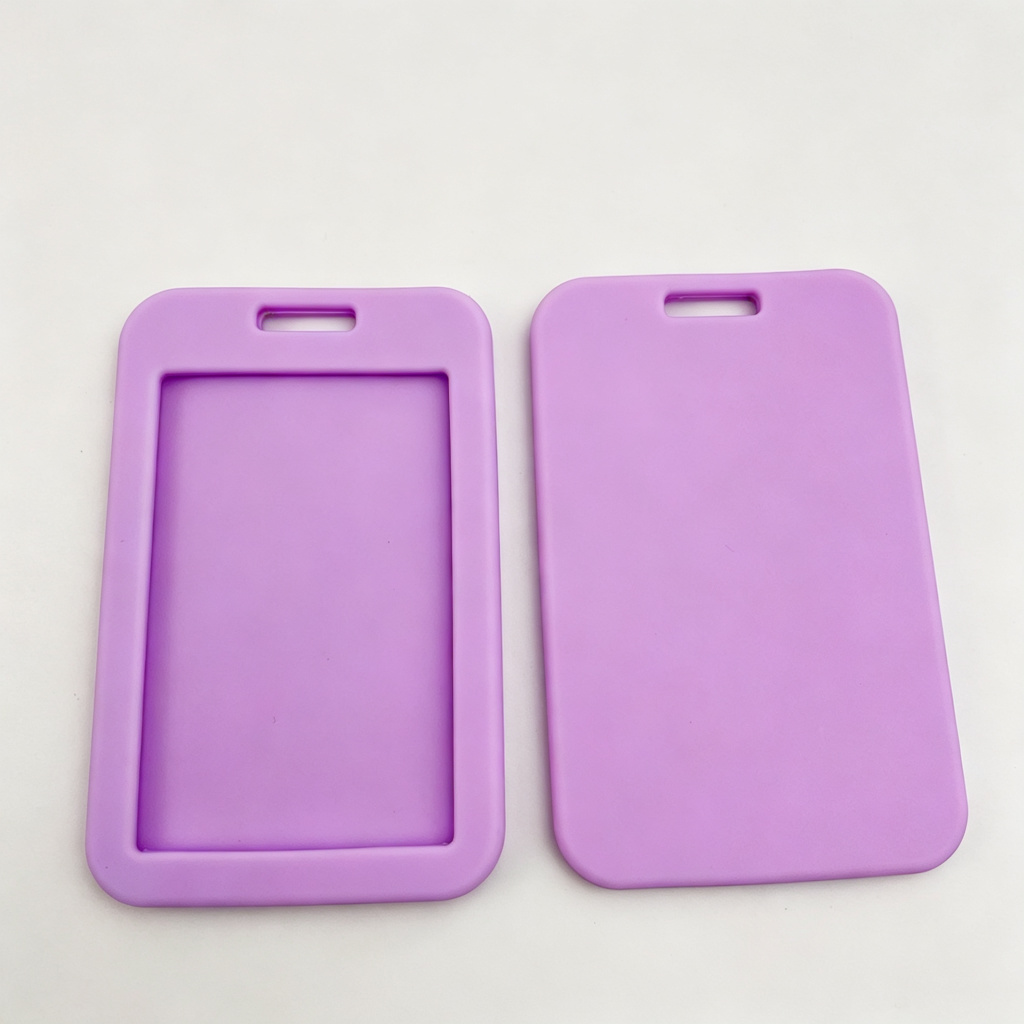
The most common products in this group are cable organizers and ties, earphone and small-device cases, connector sleeves and cable-manager wraps. Each has a different fit: a tie holds a bundle of cords together, a case wraps a specific earphone or charger model, and a sleeve protects a cable entry where it bends. When customizing, the first step is to define which device or wire the accessory fits, its dimensions, and how the user puts it on and removes it, because these decide the opening, closure and internal shape.
Hardness is chosen to match protection and handling. Accessories that take daily rubbing in pockets often use a slightly harder silicone, around Shore A 60, on the outer surface for scratch resistance, while a softer inner layer cushions the device itself. A case that is too hard cracks or does not fit over the body, and one that is too soft stretches loose and collects dust in the gaps. Cable ties need enough flexibility to wrap and snap back, but enough body to hold the bundle without uncoiling. The selected hardness should be tested on a sample that actually fits the target device.
Custom branding on silicone accessories can be done in three ways. Debossed logo means the mark is pressed into the mold, so it is part of the silicone surface and the most durable option, suited to products handled daily. Embossed logo raises the mark above the surface and reads clearly on flat areas. Printed logos look sharper and can carry multi-color detail, but they wear off over time with rubbing and washing. For daily-carried cable items, debossing is usually the safer choice; printing makes sense where the logo is decorative and the surface sees less friction.
Structural customization covers the details that make the accessory fit its job. Cable ties may use a snap closure rather than a hook-and-loop fastener, because loop fabric collects lint and wears out after months of use, while a molded snap keeps closing on parts made years earlier. Cases need correct internal contours, cutouts for ports and buttons, and a stable closure that does not slide off in a bag. Length, hole diameter, wall thickness and any grip texture should be marked on the drawing and checked against the real device, since published manufacturer dimensions are not always precise enough for a tight fit.
The customization route runs from the device measurement and drawings, through material and hardness selection, mold making and sample approval, to production and branding. Before tooling, measure the actual device or cable rather than relying only on specs, confirm the logo method and color, and test the sample for fit, snap strength, edge finish and logo clarity. An approved sample then sets the standard for later batches. With clear fit dimensions, the right hardness and a durable branding method, silicone cable accessories can protect electronics while carrying the brand through everyday carry.