How to Choose a Reliable Silicone Product Manufacturer in China
Read:3
There is a vast number of silicone factories in China, ranging from small manual workshops to large-scale primary manufacturers. To select a stable and reliable supplier, one must look beyond price and comprehensively evaluate five key dimensions: qualifications, production capabilities, quality control, customization capabilities, and delivery/support services.
First, verify the factory's qualifications and compliance status. Prioritize physical factories that own their premises and hold business licenses covering silicone product manufacturing; avoid mere middlemen. For export orders, always confirm raw material test reports and food-contact certifications (such as FDA or LFGB). This is especially critical for maternal/infant and pet products, where you should require batch-specific test data to prevent the misuse of certificates or the use of expired ones, thereby avoiding risks related to cross-border customs clearance and platform delisting.
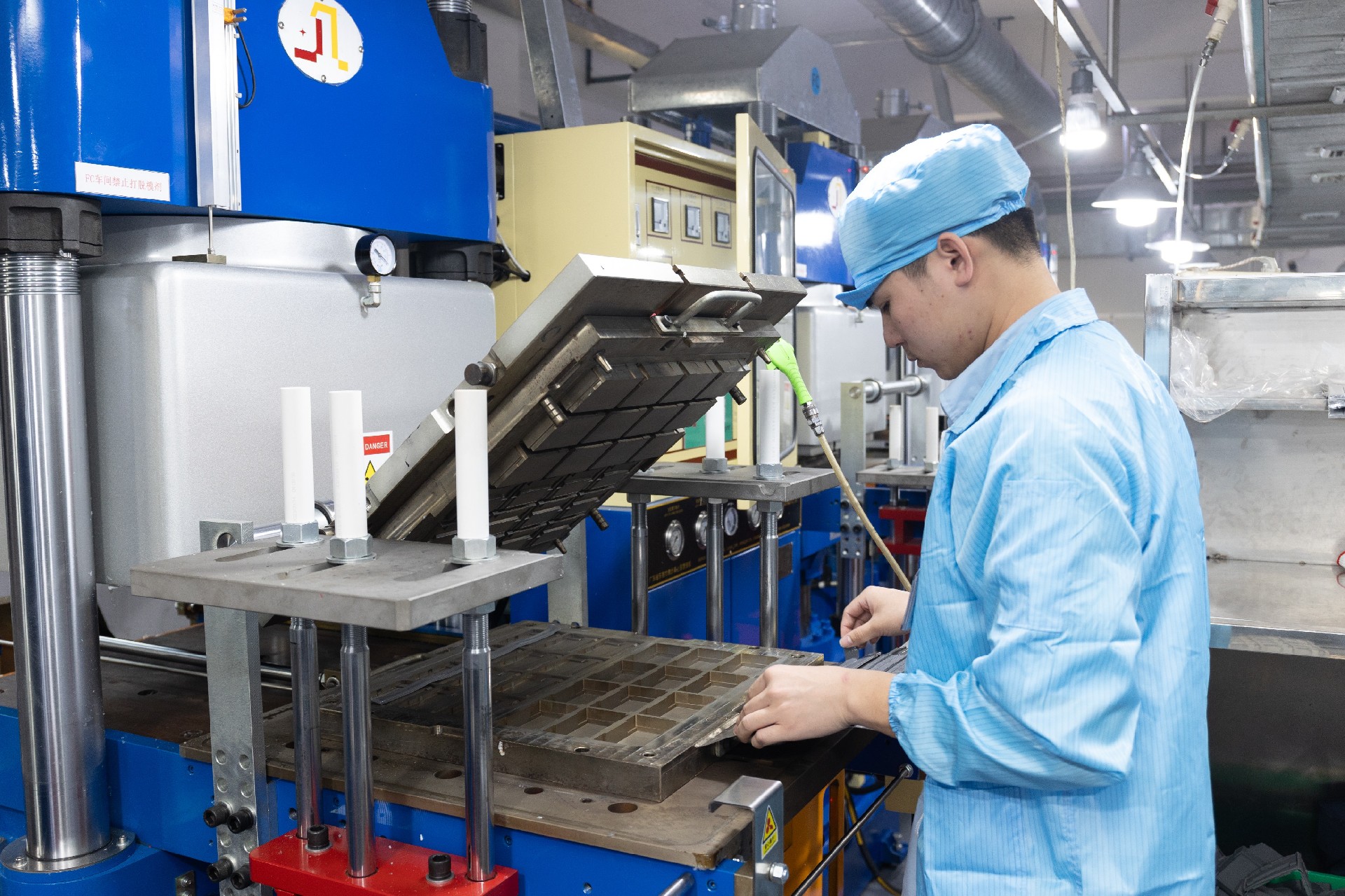
Second, conduct an on-site inspection of production and mold-making capabilities. Reliable factories possess independent mold shops, mixing workshops, and molding workshops; having an in-house mold team ensures faster response times for mold creation and modification. Many small factories lack mold-making capabilities and outsource this process, which extends lead times and increases the risk of errors. Also, pay attention to the workshop environment; food-grade silicone production requires strict cleanliness controls. Factories with cluttered workshops struggle to consistently manage issues like odors, impurities, and oil contamination.
Third, focus on evaluating raw materials and quality control systems. Low-cost factories often mix in recycled silicone, resulting in finished products that are prone to yellowing, oil exudation, and unpleasant odors. Reliable manufacturers use virgin platinum-cured silicone and ensure raw material traceability. A comprehensive quality control process—including incoming material inspection, first-article inspection, in-process checks, and full inspection of finished goods—effectively minimizes defects such as dimensional deviations, flash, and air bubbles. You can also request their defect management protocols and records of past customer complaints.
Fourth, assess customization flexibility and delivery reliability. Confirm whether the factory supports small-batch prototyping and multi-category development, and if they can handle rapid sample approval. Some large factories only accept massive orders, pushing small orders to the back of the schedule, while small workshops often face delays when order volumes spike. Prioritize manufacturers that handle both large and small orders and offer transparent scheduling. Additionally, check their packaging capabilities—such as support for neutral packaging or custom color boxes—to ensure they meet e-commerce shipping requirements.
Finally, compare business support and after-sales service. Beyond manufacturing, high-quality silicone factories offer value-added services such as product structural advice, high-quality product photography/video assets, and certification documentation. Before signing a contract, clearly define delivery schedules, policies for returning or replacing defective goods, mold modification costs, and payment terms. Prioritize established manufacturers with a proven track record and extensive client experience; consider starting with a small trial order to verify quality, delivery times, and communication efficiency before gradually scaling up order volumes.