PVC Phthalate Compliance for Soft Rubber Gifts: REACH, CPSIA and EN 71 Rules
Read:8
Soft PVC gifts — keychains, fridge magnets, badges, charms — are regulated almost entirely through their plasticiser content, because the soft rubber state depends on phthalate-type plasticisers. The practical conclusion for buyers: require DOTP (DEHT) or other non-phthalate plasticisers in writing, demand a third-party phthalate report on the actual paste recipe, and treat any quotation that quietly assumes DOP as a compliance liability, not a bargain.
Why phthalates dominate PVC compliance
Flexible PVC is a rigid polymer softened by 20–40% plasticiser by weight. Traditional ortho-phthalates such as DEHP (DOP), DBP and DINP are classified in the EU as reproductive toxicants and can migrate out of the material. Because children's items end up in mouths, regulators wrote some of the strictest chemical limits in consumer law around exactly this product family. A soft PVC item therefore lives or dies commercially on its plasticiser declaration.
The rules that matter by market
| Market | Instrument | Core requirement for soft PVC |
|---|---|---|
| European Union | REACH Annex XVII, entries 51/52 | DEHP, DBP, BBP, DIBP limited to 0.1% by weight in plasticised material |
| European Union | REACH entry 51 (toys and childcare) | DINP, DIDP also limited to 0.1% in toys that can be mouthed |
| United States | CPSIA section 108 | Eight specified phthalates limited to 0.1% in children's toys and childcare articles |
| California | Proposition 65 | Warning obligations for listed phthalates; retailers increasingly refuse DOP outright |
| United Kingdom | UK REACH | Mirrors EU limits post-Brexit; separate documentation needed |
Note the trap in the EU rules: even non-children promotional gifts must meet the four-phthalate limit, because entry 51/52 applies to plasticised material generally. "It is not a toy" is not a defence in the EU; it is only an argument about which stricter limit applies.
Why DOTP replaced DOP and what changes technically
DOTP (di-2-ethylhexyl terephthalate, DEHT) is the industry-standard replacement: chemically a near-isomer of DEHP but outside the regulated ortho-phthalate family and not classified as a reproductive toxicant. Switching the paste recipe to DOTP is now routine. The differences a buyer should expect:
- Cost: DOTP paste costs modestly more than legacy DOP paste; the gap has narrowed as DOTP became the default.
- Feel: hardness and softness are equivalent at matched loading; very soft gel-like grades may need slight reformulation.
- Colour and transparency: equivalent; DOTP works fine with transparent and pastel artwork.
- Low-temperature behaviour: comparable flexibility, relevant for items shipped to northern winters.
Other acceptable systems include citrate esters (higher cost, common for baby-adjacent items) and DINCH (food-contact heritage). Ask the factory which system their paste supplier uses and request the plasticiser SDS.
What to demand from the supplier
- A written plasticiser declaration naming the system (DOTP, citrate, DINCH) for your paste recipe, signed by the factory — not a generic certificate belonging to another customer's order.
- A third-party GC-MS phthalate test on a sample of your production paste or first articles, covering the eight CPSIA-listed phthalates. Cost is typically modest and turnaround days, not weeks.
- Traceability: the paste lot numbers used for your order recorded against shipment documents, so a future inquiry can be answered in hours.
- Change control: any paste or plasticiser supplier change requires your written approval, since a substitution silently reintroduces risk.
- Age grading honesty: if the item could plausibly reach a child, apply the children's limits even for a "promotional" designation.
Testing: scope, cost and frequency
A full eight-phthalate screen on one sample costs a small fraction of the value of a blocked shipment. Sensible practice: test at first article approval, re-test when the paste supplier or recipe changes, and spot-check once per season for repeat programmes. Buy the test on your decorated, assembled sample — inks, epoxy domes and metal fittings can carry their own regulated substances, and a bare-material report will not cover them.
Keep one sealed retained sample per production batch alongside the report. When a retailer's compliance team asks a question two years later, the retained sample plus the lot record is what closes the issue.
FAQ
Does "phthalate-free" on a quotation mean anything?
Only with a test report behind it. Insist on the GC-MS result for the eight regulated phthalates on your recipe. A true "phthalate-free" claim means non-phthalate plasticisers throughout, including the colour pastes and any clear top-coat.
Is DOP still legal anywhere?
A few markets have weaker enforcement, but the EU, US children's rules, UK REACH and most major retail compliance programs prohibit or restrict it. Producing DOP paste means maintaining a second, risky recipe for a shrinking set of customers — most serious factories have abandoned it.
Do epoxy-topped PVC items need separate testing?
Yes, the epoxy layer is a different material with different concerns (see UV stability and yellowing). A compliance file should cover the PVC body, the epoxy dome, the metal hardware and the inks as separate materials.
How is this different from silicone compliance?
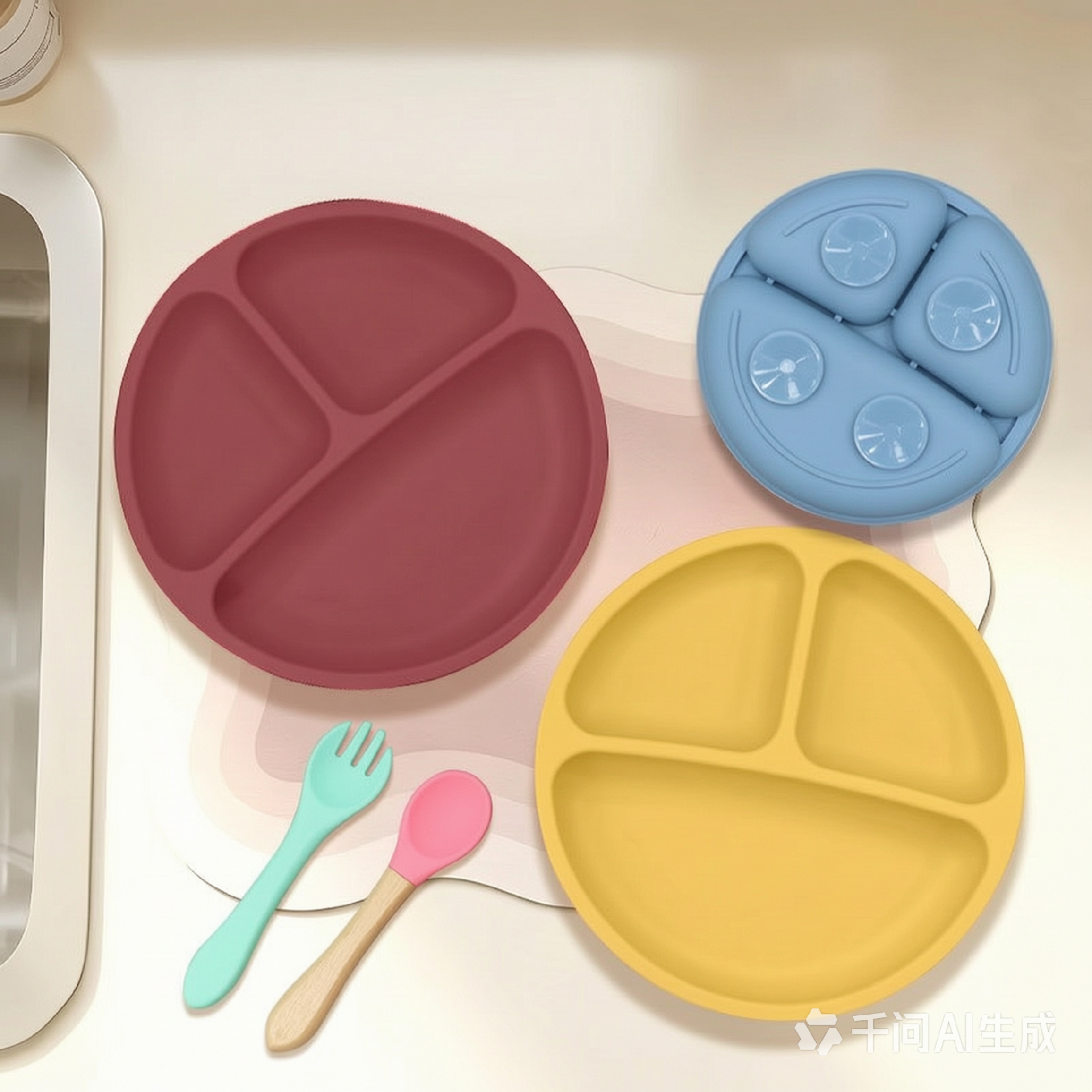
Silicone has no plasticisers at all, which is one reason food-contact silicone has simpler chemistry paperwork. If your programme includes both PVC and silicone items, ask for the two compliance files side by side; our PVC products page and baby products range show how the requirements differ by category.
Next step
Send us your artwork and target market, and we will confirm the plasticiser system, propose the right test scope, and quote the compliance cost as a line item. See the soft PVC category for the full range of constructions and compliance options.