HS Codes and Duty Classification for Silicone, PVC and Epoxy Products
Read:15
Duty is decided by what the product does, not by what it is made of, and that single fact causes more customs surprises on silicone orders than any other. A silicone spatula, a silicone phone case and a silicone keychain can all be the same compound from the same press, yet land in different tariff lines with different duty rates. Getting the classification right before the first shipment is worth more than most buyers expect — and getting it wrong can cost back duty, storage and a reclassification file that follows the product for years.
Why silicone is classified as a plastic
In the Harmonized System, silicone — cross-linked polysiloxane — sits in Chapter 39 as a plastic, not in Chapter 40 as rubber. That surprises buyers who think of silicone as synthetic rubber. The consequence is that silicone articles compete for classification with TPE, TPU, PVC and every other plastic article, and the deciding factor becomes the article's function and its heading description rather than its chemistry.
The headings that cover most of this category
| Product type | Common heading | Why it lands there |
|---|---|---|
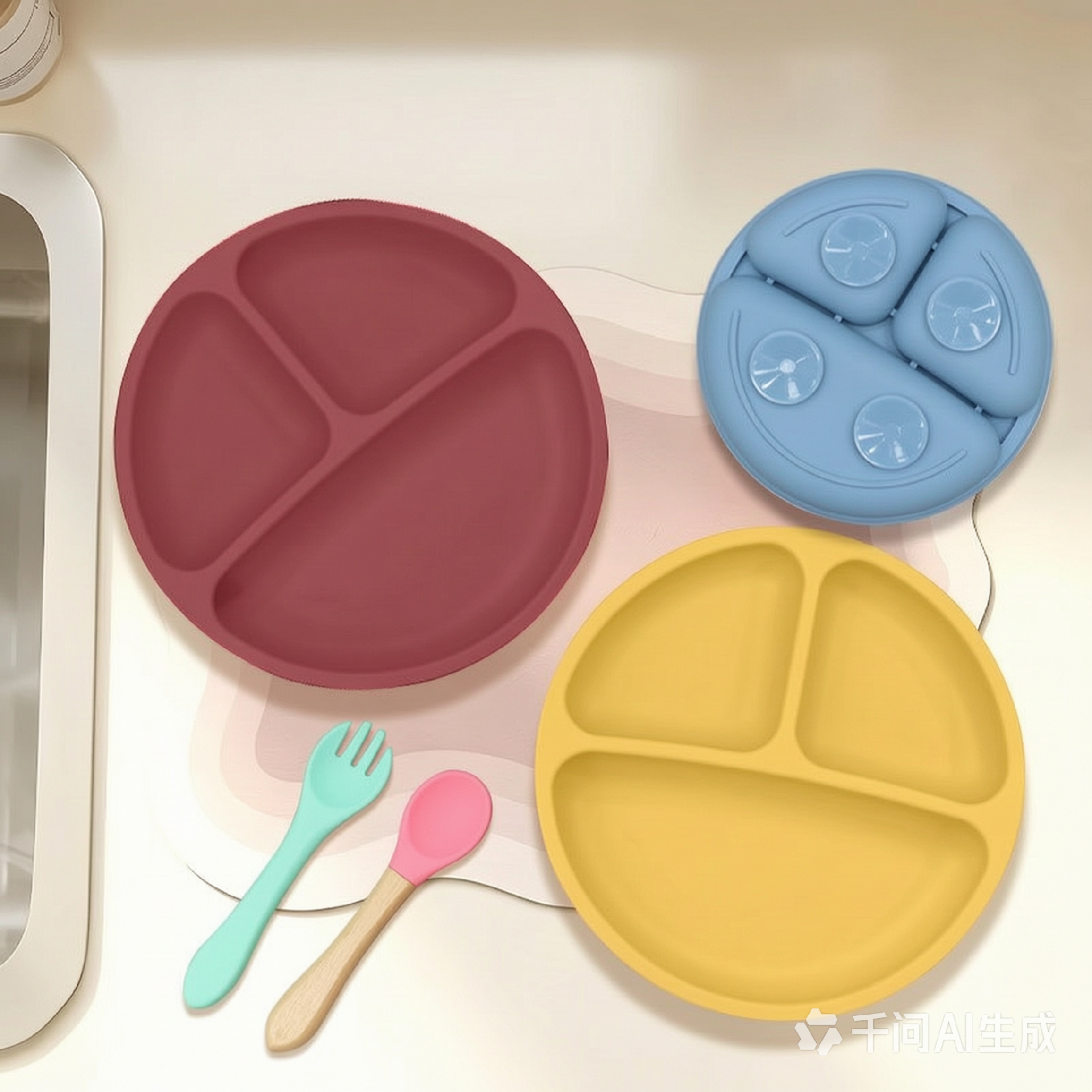
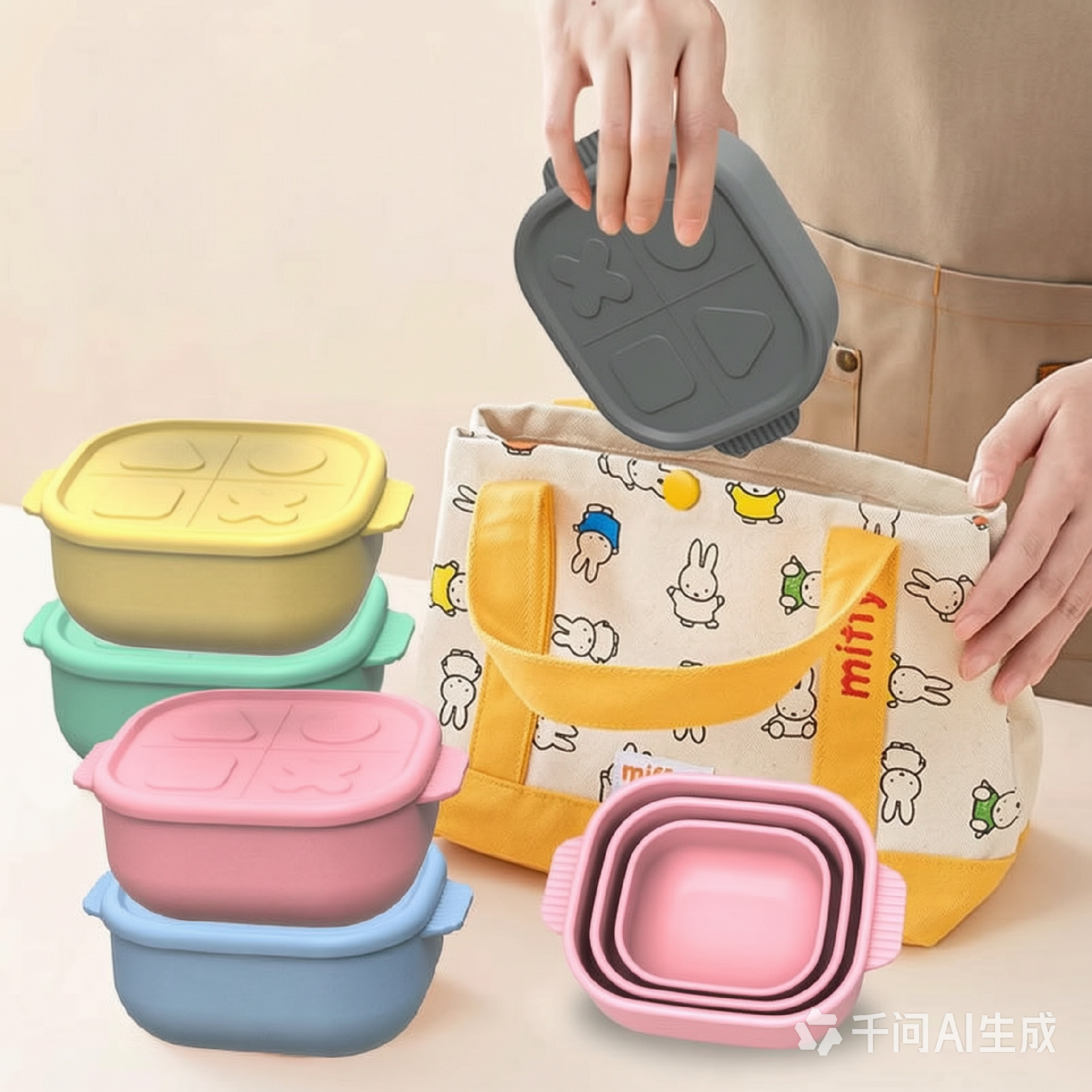
| Kitchenware, tableware, feeding items | 3924 | Tableware, kitchenware and other household articles of plastics |
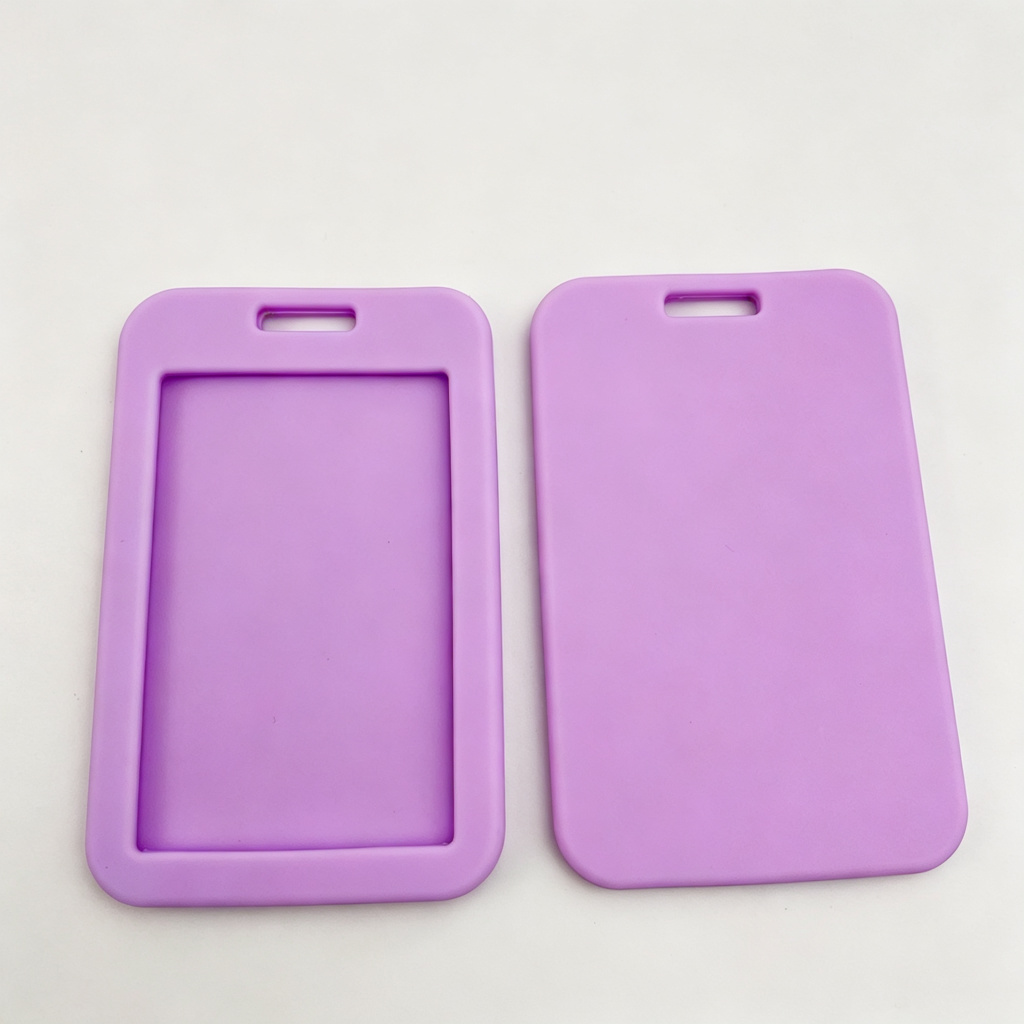
| Phone cases, cable organisers, generic moulded parts | 3926 | Other articles of plastics, not specified elsewhere |
| Keychains, charms, fridge magnets | 3926, or 8308 / 7326 if a metal ring or chain dominates | Classification follows the component that gives the article its essential character |
| Bottles and travel containers | 3923 or 3924 depending on use | Containers of plastics versus household articles |
| Baby teethers and toys | 9503, with 3924/3926 possible for pure feeding items | Articles designed for children's play are classified as toys |
These are the headings that come up most often, not a ruling. Duty rates differ by destination and by the specific subheading, and a national customs authority can classify the same article differently from its neighbour. The point of the table is to show the pattern: function first, material second, and the dominant component decides composite goods.
Where classification goes wrong
Composite goods. A PVC keychain with a metal split ring, a silicone case with a polycarbonate insert, a resin charm with a metal clasp: each is a composite, and the essential character test decides. A metal ring that costs more than the charm can move the whole article into a base-metal heading with a very different rate. Buyers who specify "PVC keychain" and receive a classification for base metal often assume the broker made an error; usually the broker applied the rule correctly.
Function drift. The same moulded shape sold as a pet toy, a teether and a promotional giveaway can be classified three ways. Marketing copy and product photography end up in the customs file, so the description on the commercial invoice should match the actual intended use — not the widest possible market.
Sets and kits. A feeding set packed as a retail kit may be classified as a set with the essential character of one component, or as separate articles if each is separately classifiable and the set is not put up for a specific retail purpose. This is one of the few areas where asking for an advance ruling genuinely pays.
The landed-cost arithmetic buyers forget
Duty is charged on the customs value, which is normally the transaction value plus international freight and insurance where the destination rules require it. Two consequences follow. First, shifting from EXW to CIF changes the duty base even when the goods are identical, because the freight is now inside the declared value. Second, a low declared value to reduce duty is not a saving; it is an under-declaration that voids insurance cover on the difference and creates a penalty exposure that dwarfs the duty.
- Ask for the HS code on every quotation, in writing, before the order.
- Check the code against your own broker, not only against the supplier's suggestion.
- Confirm whether your destination applies anti-dumping or additional tariffs to the subheading.
- Keep the technical description consistent across invoice, packing list and certificate of origin.
Documents that support the code you chose
A classification survives scrutiny when the file contains: a product description with materials and function, a photograph, the bill of materials with component values where relevant, and the reasoning for the chosen heading. Suppliers who export this category regularly can usually provide a short technical description in the format a broker needs. If a supplier cannot describe its own product in classification terms, that is a signal about how the rest of the paperwork will go.
We include the HS code and a one-paragraph technical description with every shipment document set, and we flag cases where the buyer's proposed code and our recommendation differ — typically on composite keychains and on multi-item gift sets. Reviewing the PVC and epoxy range is a quick way to see how many of those composite structures appear in a normal promotional programme, and the OEM and ODM service page shows how the bill of materials is documented for each project.
FAQ
Is silicone classified as rubber or plastic?
As a plastic, in Chapter 39 of the Harmonized System. This is the most frequent misconception in the category and it changes which headings are even available for the article.
Can we use one HS code for a whole product range?
Only where the range genuinely shares a function and a material composition. A range that mixes kitchenware, phone cases and keychains spans at least two headings, and using one code across all of them creates a reclassification risk on every entry.
Who is liable if the code is wrong?
The importer of record, in almost every jurisdiction. The supplier can provide a suggested code and supporting description, but the declaration is yours. This is why the code should be verified by your own broker before the first shipment, not after the first assessment.