Export Packaging for Silicone and PVC Products: Cartons, Drop Tests and Retail-Ready Packing
Read:16
Packaging is the last decision most buyers make and the first one that fails on arrival. Silicone and PVC goods are light, resilient and colour-sensitive, which makes them forgiving cargo — but the same properties that protect the product also make packaging an easy place for a factory to save a few cents per carton. Specifying packaging deliberately is one of the cheapest upgrades available to an import programme.
The four packaging layers, and what each one is for
| Layer | Function | Typical choice for silicone / PVC | Cost lever |
|---|---|---|---|
| Primary | Protects and presents the individual item | Opp polybag, printed backing card, PVC blister, or custom box | Printed card vs plain bag is often the biggest per-unit delta |
| Inner | Bundles sellable units for handling | Inner box of 10–50 pcs, or shrink-wrapped stack | Inner boxes add both cost and cubing; skip where retail sells loose |
| Master carton | Survives the freight journey | Double-wall corrugated, 5-ply, with internal dividers where faces can scratch | Single vs double wall changes cost and damage rate together |
| Pallet / container | Stops crushing in transit and storage | Stacking height limit, corner boards, no overhang | Cubing efficiency: carton design sets your container fill |
Why silicone goods still arrive damaged
Silicone does not crack in transit, so buyers assume it needs no protection. The damage that does occur is different in kind:
- Colour transfer. Deeply coloured parts packed against light parts in a hot container can leave surface staining. Separate or bag individually when the colour range is wide.
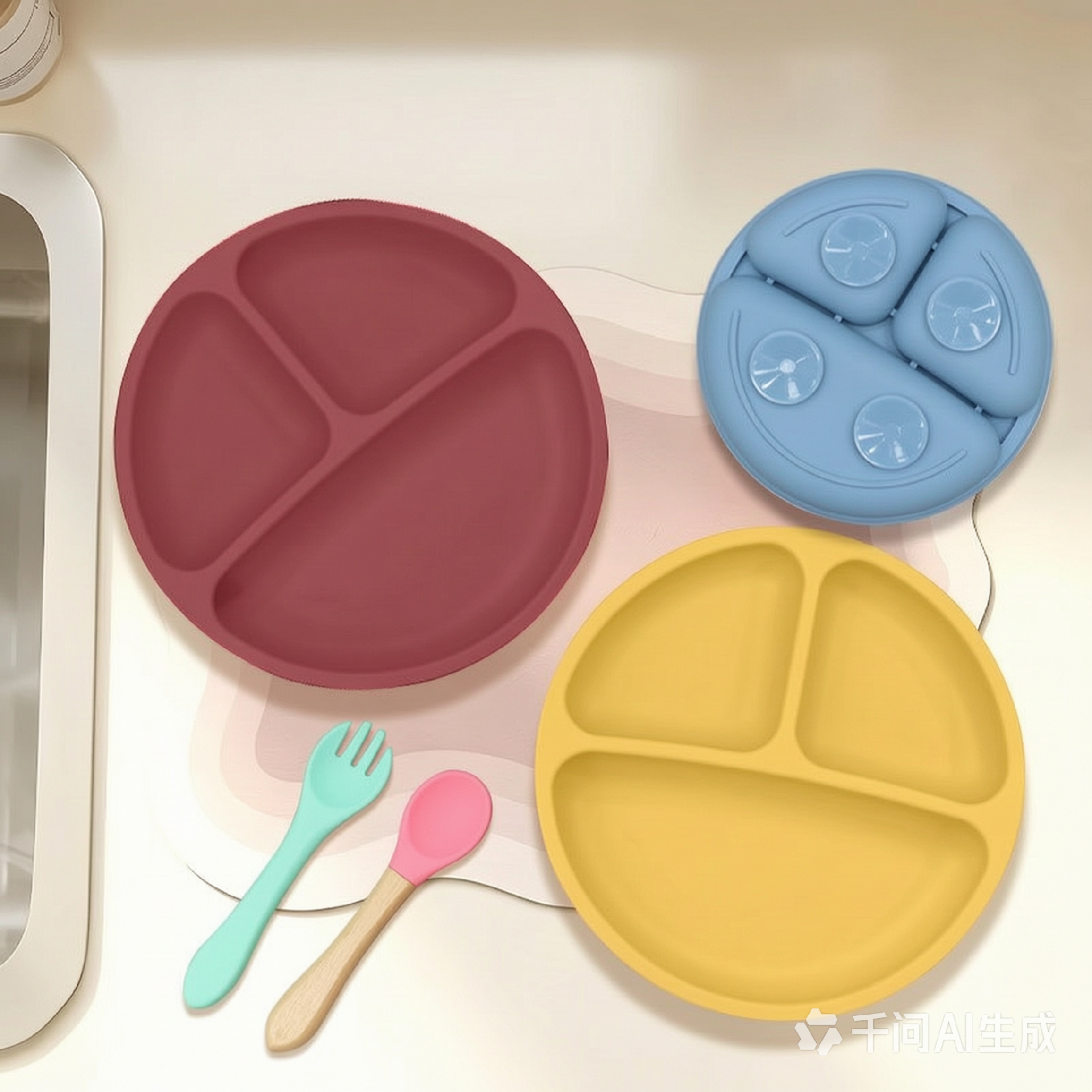
- Dust and lint attraction. Silicone surfaces attract fibres; an unbagged teether or kitchen item that looks dusty on arrival is a retailer's complaint before it is a customer's.
- Compression set on long voyages. Soft parts stacked under heavy cartons for weeks can take a temporary set. This recovers with time and warmth, but a product photographed flat on arrival looks defective.
- Resin dome scratching. Epoxy-domed faces scratch against each other; individual bagging or a separator layer is the only reliable cure.
- Deformation of thin-walled shapes. Long, thin silicone items (spatulas, travel bottle bodies) bend if packed diagonally under load.
Every one of these is solved in the packing specification, not at inspection.
Retail-ready versus bulk export packing
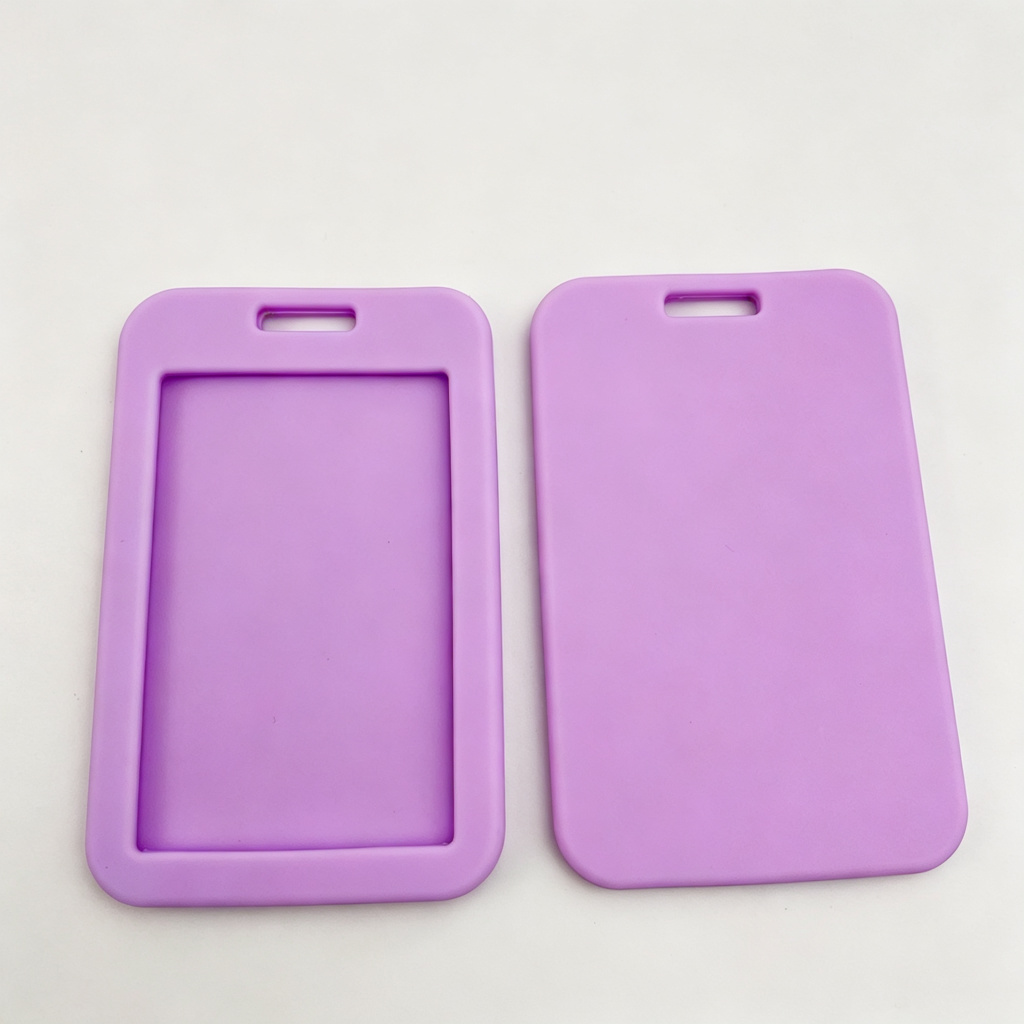
If your goods go to e-commerce fulfilment, bulk packing — plain polybag, no card — minimises cost and your own team does presentation later. If goods go to retail shelves, the primary packaging must arrive shelf-ready, which means printed backing cards, hang holes positioned to your spec, barcodes verified against the retailer's database, and a language and regulatory layout matched to the destination market. Two specification points buyers most often miss: the hang hole orientation (define it on the artwork, or factories centre it by default) and barcode verification (ask the printer for a scan-verification report, because an unscannable barcode at a retailer's intake is a chargeback).
For children's products, packaging carries its own compliance weight: age grading, choking-hazard warnings and traceability marking belong on the artwork. Treat packaging artwork with the same control as product artwork — one approval cycle, one signed proof.
Master carton specification worth putting in the PO
- Board grade — state 5-ply double-wall for heavy or long-haul shipments; 3-ply is acceptable for air-freighted samples.
- Gross weight limit — keep master cartons under roughly 15–20 kg for warehouse handling; beyond that, workers drop them.
- Stacking instruction — maximum stack height printed on the carton for soft goods that deform under load.
- Marking — carton number, PO reference, destination port, and handling icons; every carton uniquely numbered so a shortage is found in seconds.
- Drop performance — for fragile-adjacent items (domed gifts, glass-mounted accessories), reference an ISTA-style drop test on a packed master carton and keep the report.
Cubing: the packaging decision that changes your freight bill
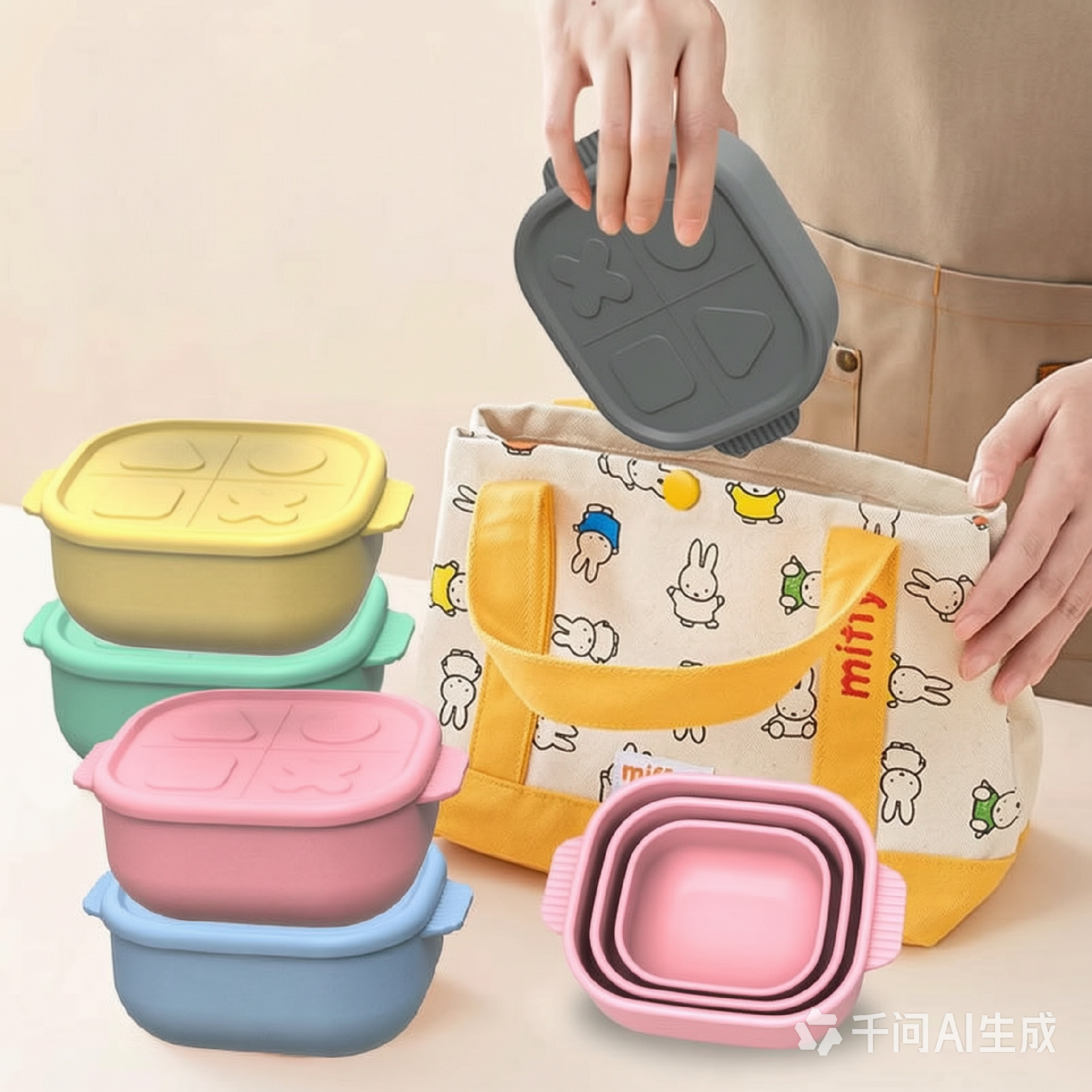
Freight cost per unit is set less by weight than by volume, and volume is set by the carton. Silicone goods are light, so containers "cube out" before they "weigh out" — you run out of space long before you reach weight limits. Two practical consequences: nested or stacked product designs (a collapsible bowl nests; a rigid one does not) can halve freight per unit, and carton dimensions that pack cleanly into a standard container footprint without voids materially increase units per container. Ask the factory for the carton dimensions and calculated units per 20-foot and 40-foot container before approving packaging — it is a five-minute calculation that frequently changes the packaging decision itself.
FAQ
Do silicone products need individual polybags?
For anything touching skin, food, or a retail shelf — yes. Bagging controls dust and colour transfer and costs little. For industrial mats or internal-use items, bulk packing is usually fine.
Who pays if goods arrive damaged — the factory or the carrier?
It depends on the trade term and where the damage occurred, which is why a packing specification plus carton photos at loading matter. Under FOB, damage found on arrival is an argument; damage proven against an agreed packing spec with loading evidence is a claim that gets paid.
Can we get packaging samples before mass production?
You should insist on it — a printed backing card proof and an assembled master carton, drop-tested once, before the production packing line runs. Packaging revisions after mass packing is done mean unpacking and repacking the entire order, which nobody wants to pay for.
Next step
We pack to written specifications and supply carton dimension and container-fill calculations with every quotation, so freight cost is part of the packaging decision instead of a surprise after it. To see categories where packing is retail-critical, look at silicone kitchen products or silicone baby products, where backing cards, warnings and barcodes are part of the standard development pack.