Silicone Hardness Explained: Shore A 20 vs 40 vs 70 and How to Choose
Read:62
Shore A is the number that decides how a silicone part feels in the hand, how easily it releases from the mould, and how much dimensional drift you will see across a production run. It is also the spec most often written loosely — "around 50" — and then argued about at inspection.
What Shore A actually measures
Shore A measures the resistance of a material to indentation by a blunt conical probe under a defined spring load. The scale runs from 0 to 100, and it is not linear: the difference between 30 and 40 is far more perceptible than the difference between 70 and 80. For silicone, the practical working range is roughly 10 to 80 Shore A; anything above that behaves closer to hard plastic than rubber.
Two consequences matter commercially. First, a tolerance must always be attached — 40±3 is a professional specification, 40 alone is an invitation to dispute. Second, hardness is measured on a finished, fully cured part of sufficient thickness; measuring a 1 mm wall with a standard durometer gives a meaningless number.
The practical range
| Shore A | Behaviour | Typical use |
|---|---|---|
| 10–20 | Very soft, gel-like, high conformability | Skin-contact pads, soft insoles, cushioning inserts |
| 25–35 | Soft and stretchy, good bite feel | Teethers, baby spoons, sensory toys |
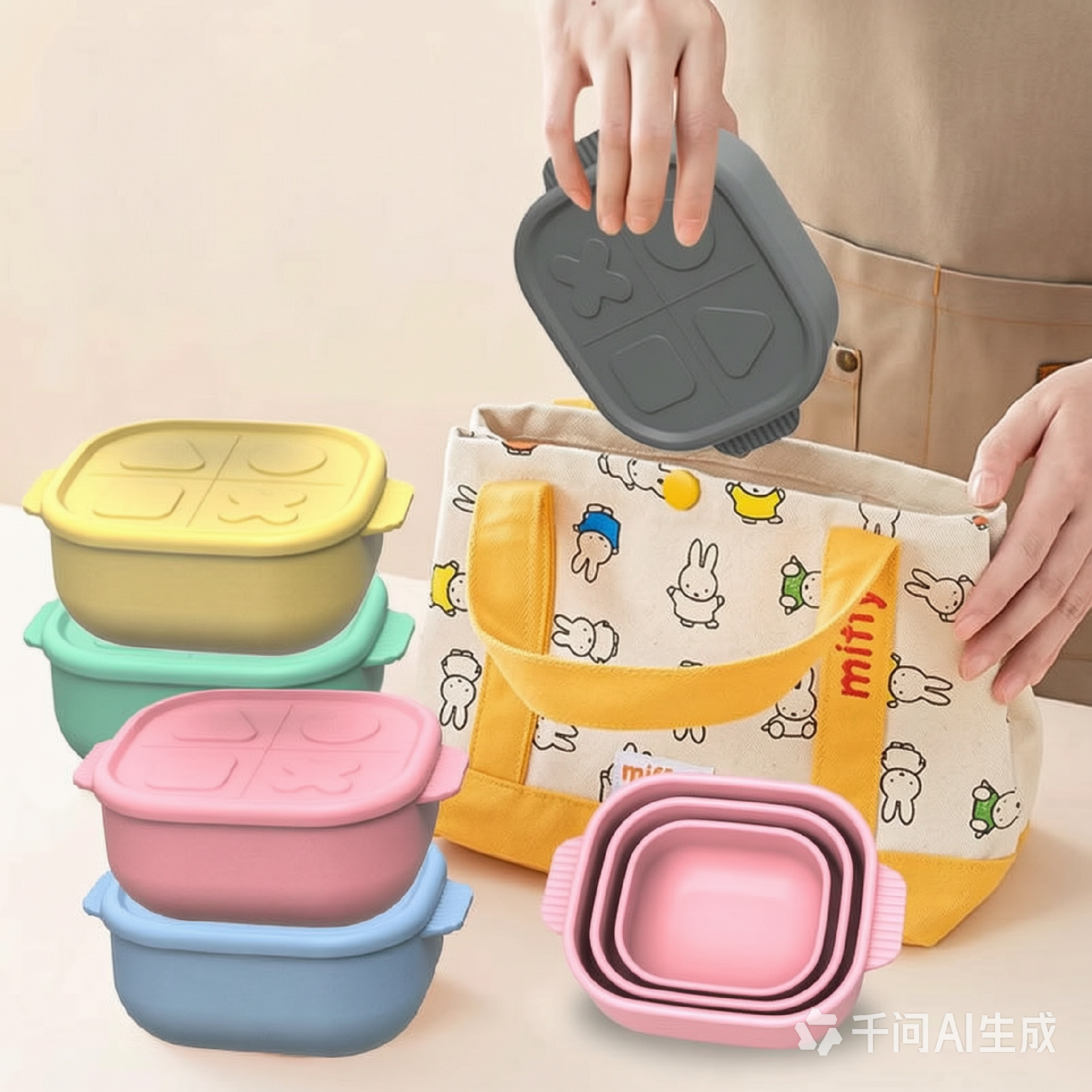
| 40–50 | Balanced: firm but flexible, good recovery | Phone cases, watch bands, kitchen utensils, lids |
| 55–65 | Firm, limited stretch, good compression set | Seals, gaskets, suction bases, structural covers |
| 70–80 | Hard rubber, minimal elongation | Rollers, wear pads, high-load seals |
How hardness changes everything downstream
- Feel and perceived quality. A phone case at 30 Shore A feels premium in the hand but stretches out of shape within months. At 50 it holds its form but feels less "soft-touch". Most brands land at 45–50 and solve the feel problem with a surface coating instead.
- Demoulding and design freedom. Soft material forgives undercuts and thin walls; hard material does not. Switching from 40 to 70 on an existing tool often produces tearing at the parting line that no process adjustment can fix.
- Dimensional stability. Lower hardness means more shrinkage variation and more difficulty holding tight tolerance. If a part has a ±0.1 mm requirement, do not pair it with 25 Shore A.
- Compression set. Seals live or die on this. Below 50 Shore A, compression set under sustained load degrades noticeably faster, which is why gaskets are rarely specified soft.
Choosing hardness for common products
| Product | Recommended | Reason |
|---|---|---|
| Baby teether | 30–40 | Soft enough for gums, firm enough to hold shape after repeated biting |
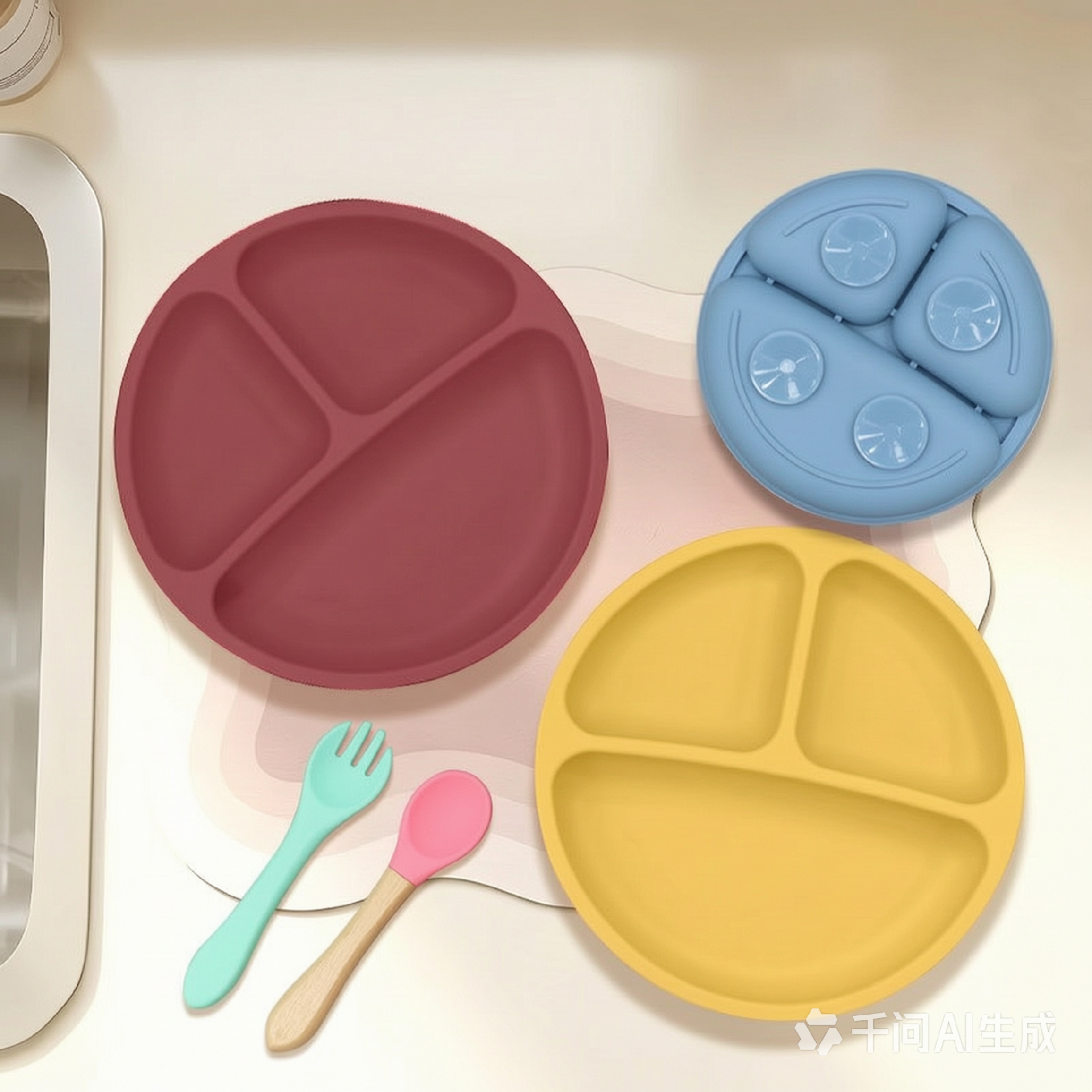
| Baby feeding set (plate, bowl) | 50–60 | Suction base needs stiffness; bowl wall needs to resist collapse when loaded |
| Silicone spatula head | 45–55 | Edge must flex against a pan without scratching, core must not fold |
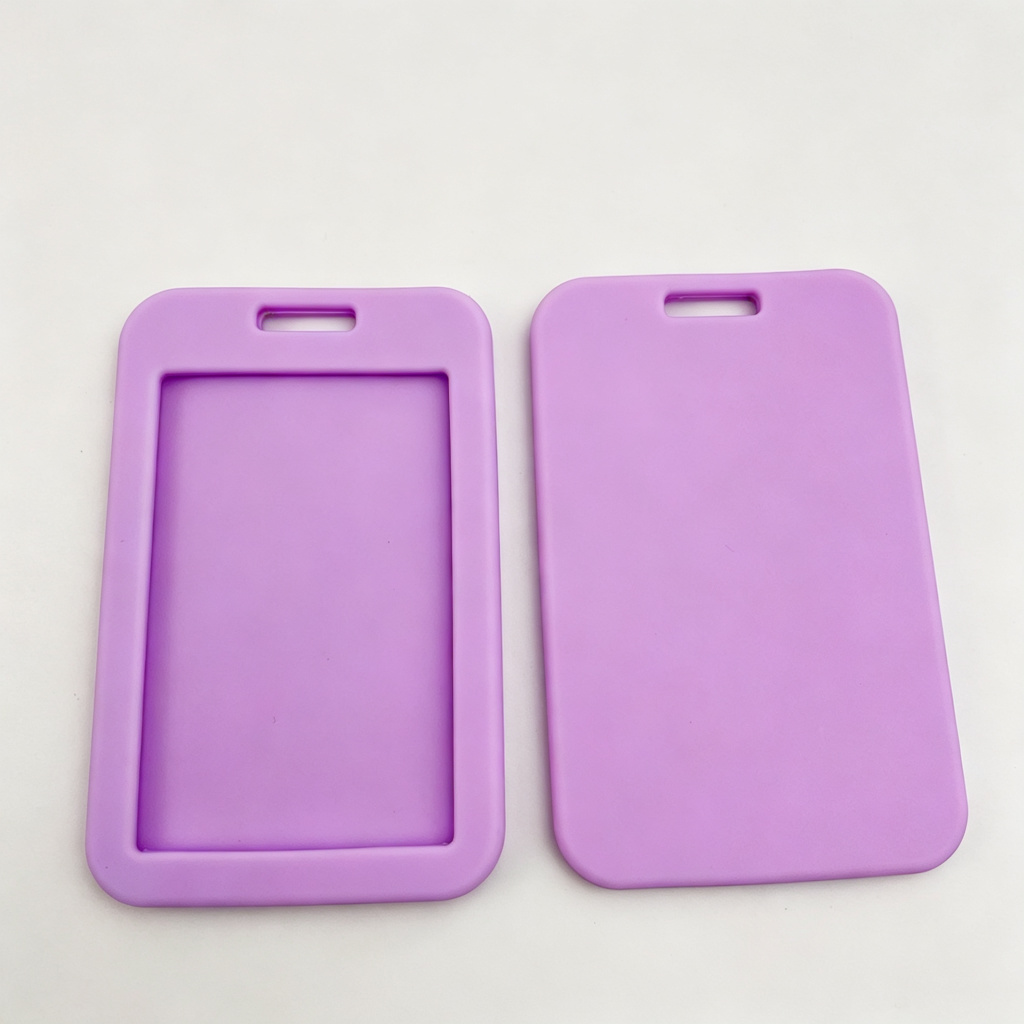
| Phone case | 45–55 | Drop protection without sagging; pairs well with hard PC frame |
| Travel bottle body | 50–60 | Must squeeze and recover; too soft and it will not dispense |
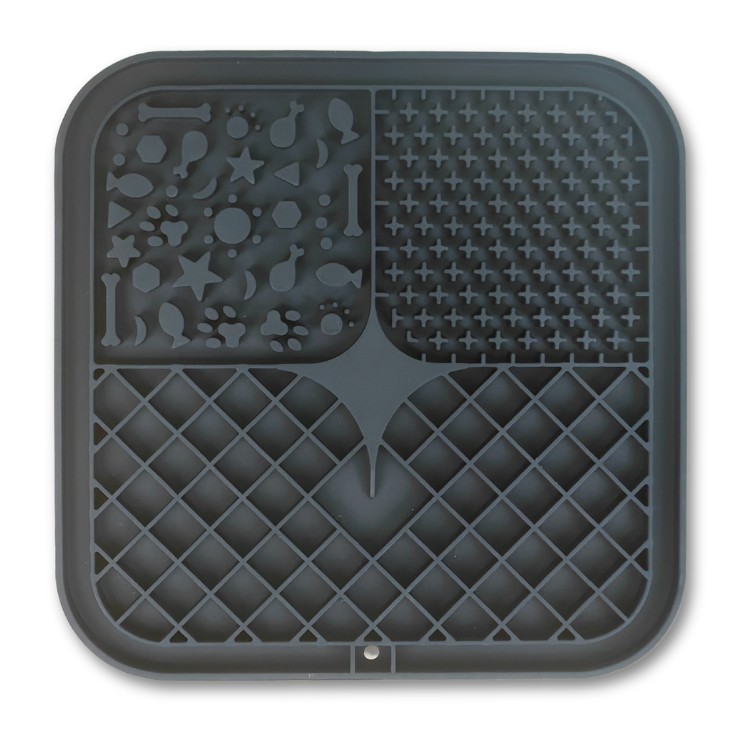
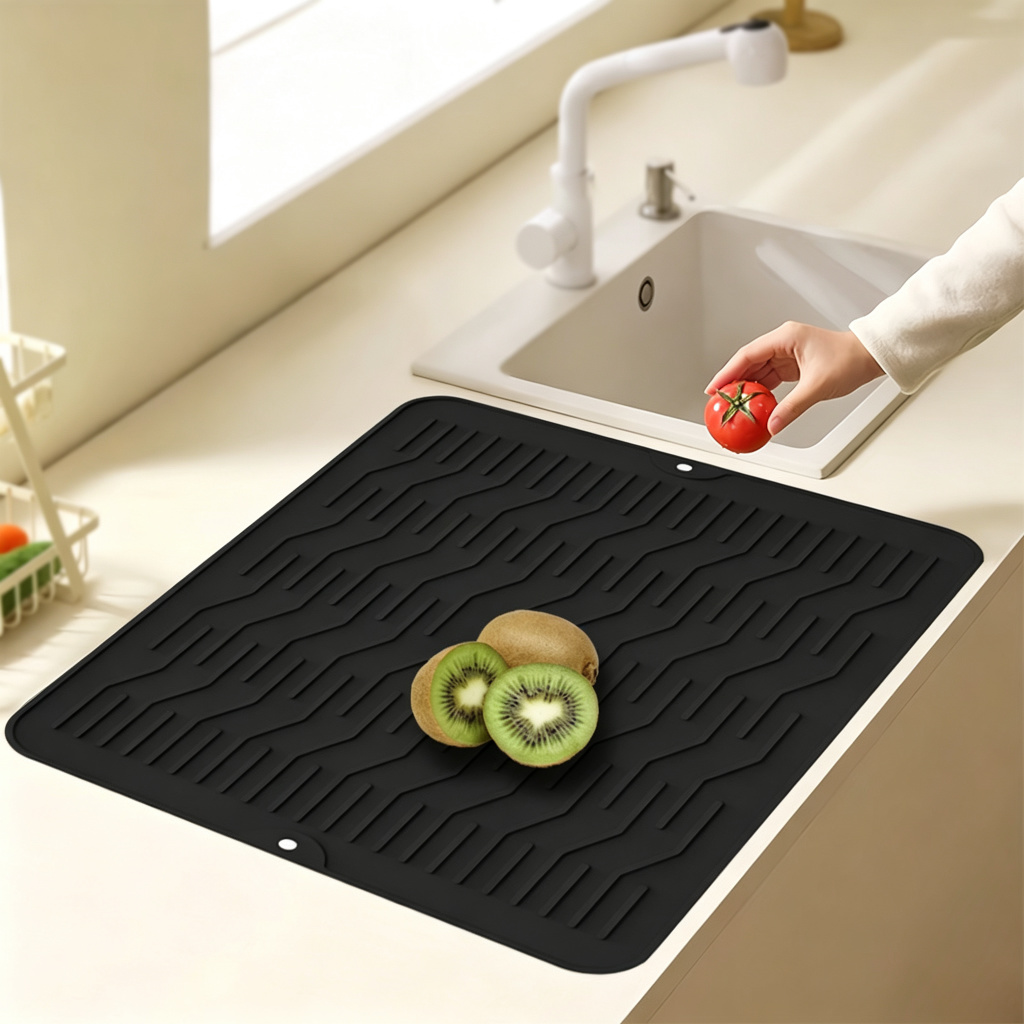
| Pet lick mat | 40–50 | Pattern depth retention plus dishwasher durability |
Verifying hardness in a sample report
Ask for the measurement method, not just the number. A credible report states the standard used (ASTM D2240 or ISO 7619-1), the number of readings, where on the part they were taken, and whether the part was conditioned before testing. Three points on a flat, thick section is the minimum. If a supplier reports a single reading on a curved thin wall, the number is not reliable and neither is the process control behind it.
FAQ
Can hardness change after production?
Yes, slightly. Post-curing completes the crosslink and typically raises hardness by 1 to 3 points. This is why the sample must go through the same post-cure as mass production — comparing an uncured sample with a cured production part is a classic source of "the batch is harder than the sample".
Does colour affect hardness?
Pigment loading can, at high concentrations, act as a filler and nudge hardness upward. Heavy white or metallic masterbatches are the usual culprits. If colour is critical and hardness is tight, test the coloured compound, not the natural one.
What is the softest silicone that can still be moulded reliably?
Around 10 Shore A for compression moulding, and it becomes difficult below that. Very soft parts need generous draft, careful demoulding and often a higher scrap rate, all of which show up in the unit price.
Next step
If you have a part where feel and function are pulling in different directions, send the drawing and the target hardness. We will tell you whether the geometry supports it or whether a hardness change or a two-material design is the cheaper answer. Start with our OEM and ODM service page, or look at silicone baby products for reference hardness on child-safe items.