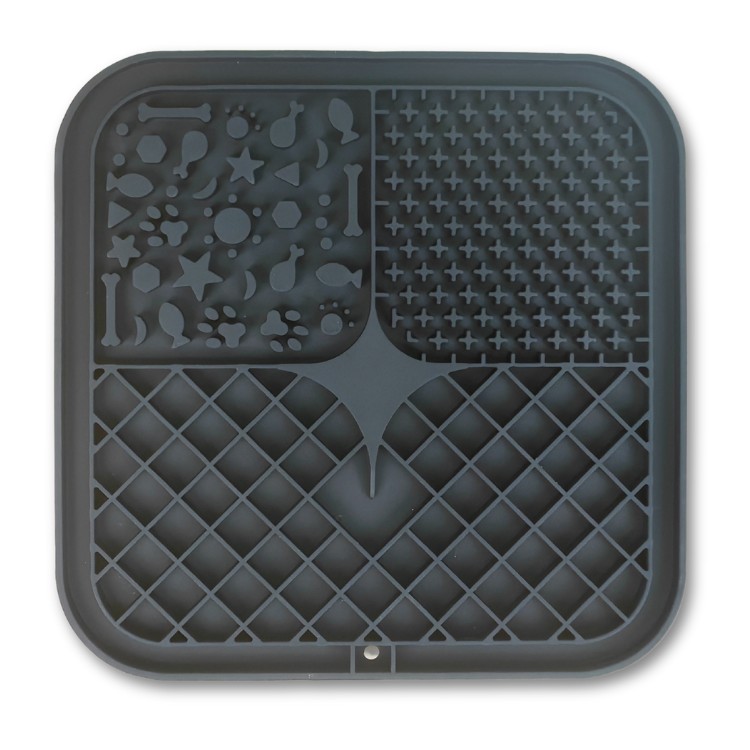
How Lemeng Silicone Factory Controls Product Quality
Read:6
Lemeng Rubber & Plastic has established a comprehensive quality control system covering the entire workflow—from raw material intake, mold trial runs, and molding to post-processing, final inspection, and shipment. By addressing issues such as air bubbles, odors, color variations, and dimensional deviations at the source, the company ensures its cross-border silicone products meet safety standards for sectors including mother-and-baby care, pet supplies, and kitchenware.
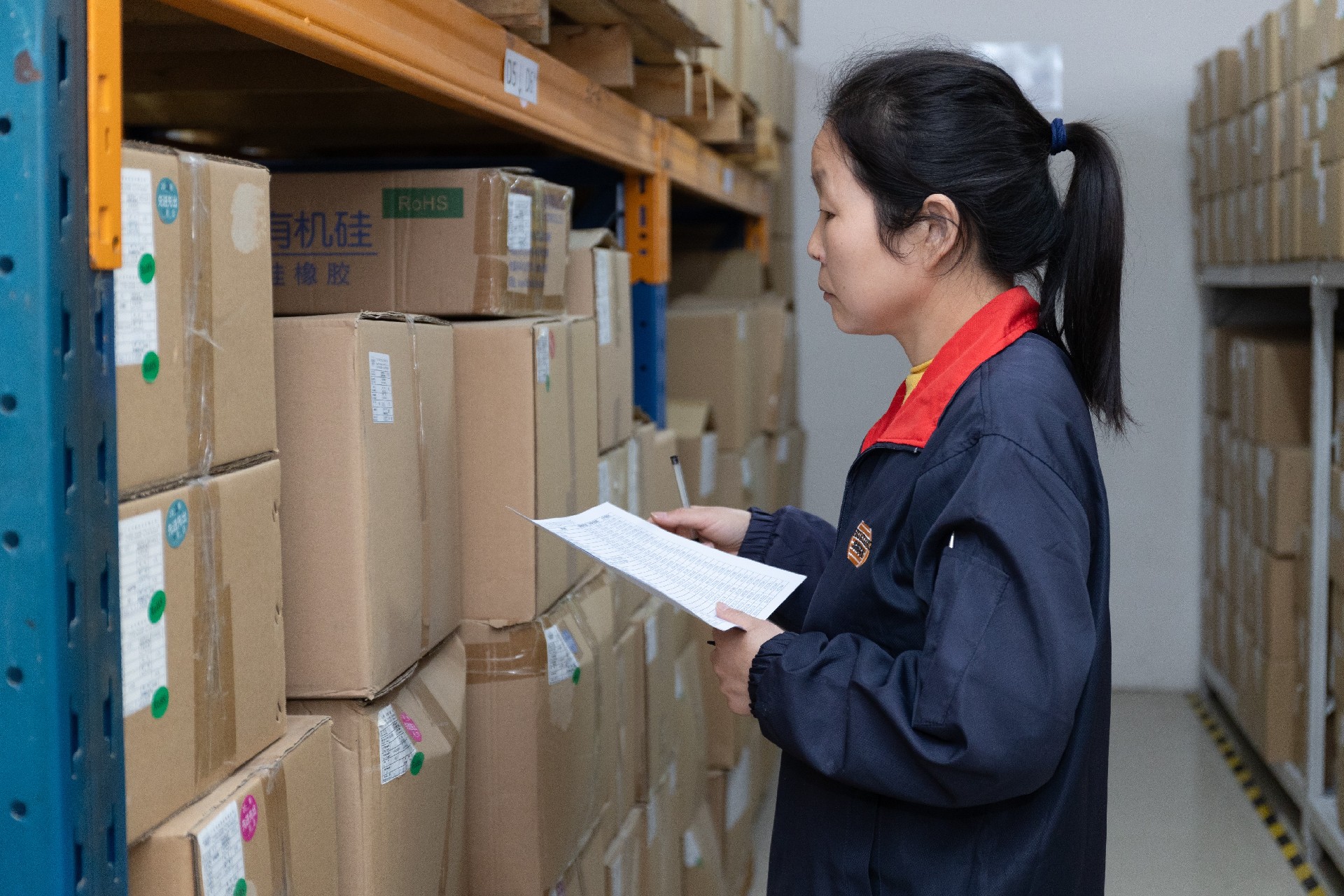
1. Raw Material Intake Inspection (IQC)
Upon arrival, raw material batches are verified against material certificates. Virgin platinum-cured silicone is exclusively used for food-contact products; recycled materials and fillers are strictly prohibited. Each batch undergoes random testing for hardness, color, and tensile properties, alongside a review of safety data sheets. Materials for mother-and-baby and food-grade products can be certified to FDA, LFGB, and GB4806.11 standards, with batch records archived to ensure full product traceability.
2. Quality Verification: Mold and Trial Production Stages
New molds undergo initial trials where engineers and QC personnel jointly verify appearance, dimensions, and demolding performance; a "golden sample" is then locked in as the sole standard for mass production. Small-batch trial runs precede full-scale production to validate process parameters—such as temperature, pressure, and curing time—and to identify risks like short shots, air bubbles, or deformation before mass manufacturing begins.
3. In-Process Quality Control (IPQC)
Mass production cannot commence until the "first article" from the production line passes inspection. Quality inspectors conduct regular patrols to monitor parameters for rubber compounding, weighing, and compression molding. Post-molding, products undergo secondary curing (baking) to remove volatile low-molecular-weight substances and odors, thereby enhancing product stability. Specialized inspections are implemented for complex processes—such as multi-color molding, overmolding, and pad printing—to prevent color mixing, delamination, or ink detachment.
4. Finished Product Inspection and Performance Testing (FQC)
Following deflashing and trimming, products undergo a comprehensive visual inspection to detect defects such as black spots, scratches, color inconsistencies, or damage. Calipers are used for random dimensional checks to ensure compliance with tolerance specifications. Physical performance tests—including elasticity, tear strength, and aging resistance—are conducted based on product requirements. Non-conforming items are isolated to prevent mixing with qualified stock, and all products are verified against the mutually agreed-upon reference samples.
5. Outgoing Quality Control (OQC) & After-Sales Traceability
Random inspections are conducted prior to packaging to verify quantities, packaging, and labeling against order specifications. Samples from every batch are retained, along with production and inspection records. Should quality issues arise post-shipment, the specific batch is rapidly identified, the root cause analyzed, and corrective action plans implemented.
6. Standardized Management
We operate our own 8,500-square-meter facility, employing a dedicated quality inspection team and adhering to unified inspection standards. For cross-border e-commerce clients, we provide comprehensive certification documentation to mitigate risks such as platform delisting or customs clearance issues. Additionally, we continuously gather customer feedback to refine molds and manufacturing processes, ensuring a consistently high yield rate.