How Surface Texture Is Created on Custom Silicone Products
Read:259
A client called us last month asking the same question we hear at least twice a week: what actually goes into how surface texture is created on custom silicone products? It is a fair question. The answer is more nuanced than most suppliers will tell you.
Wall thickness is the single most important factor in silicone part design, and it is also the most commonly messed up. Too thin and the part tears during demolding. Too thick and you get voids and long cure times. For most consumer products, 1.5 to 2.5mm is the sweet spot.
Draft angles exist for a reason. Silicone is flexible, so you can get away with less draft than with plastic, but zero draft will still cause tearing and stretching during demolding. We recommend at least 1 degree per side, more for deep parts.
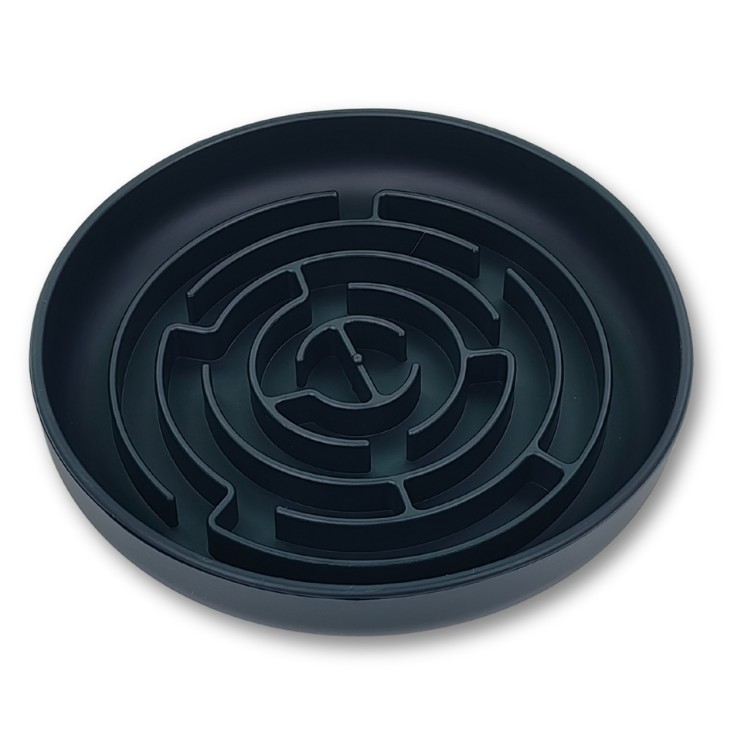
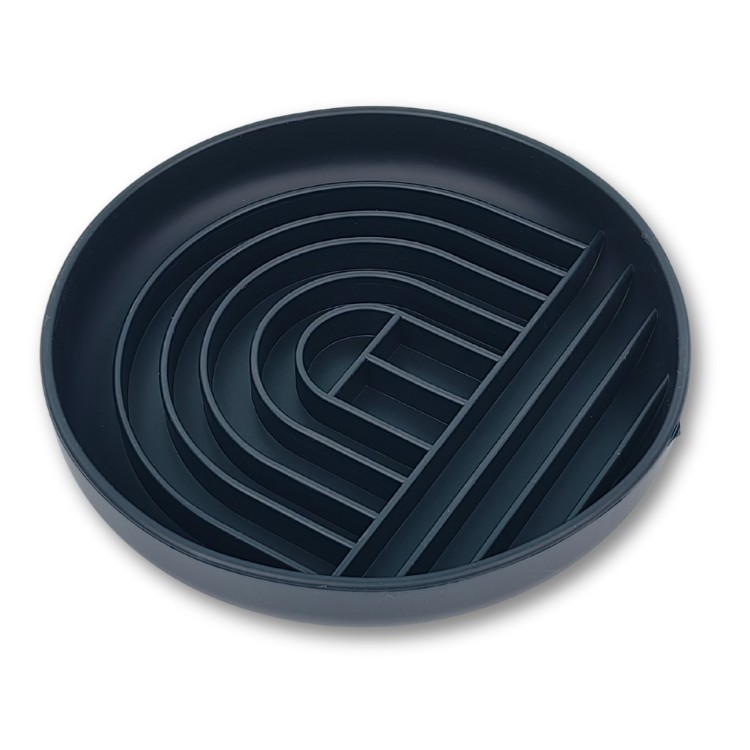
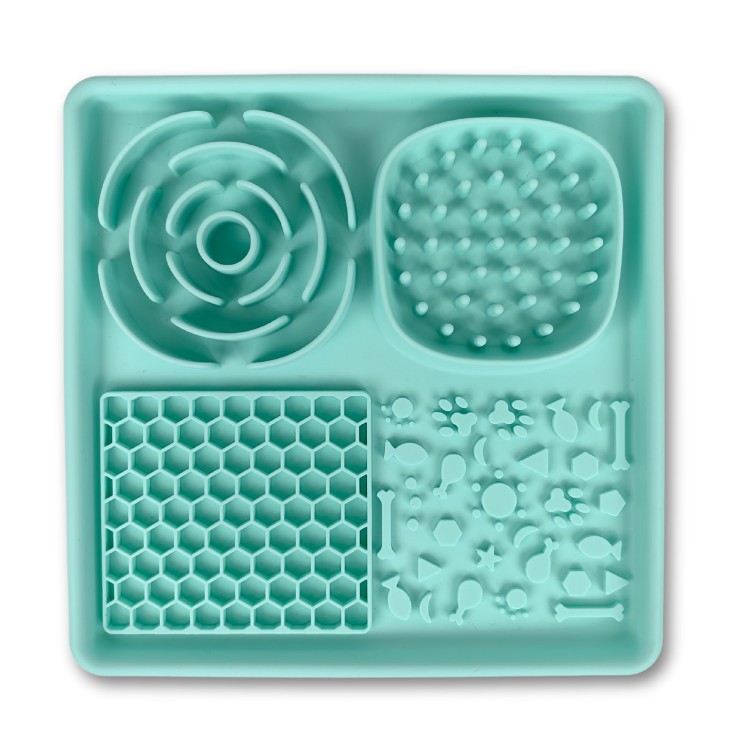
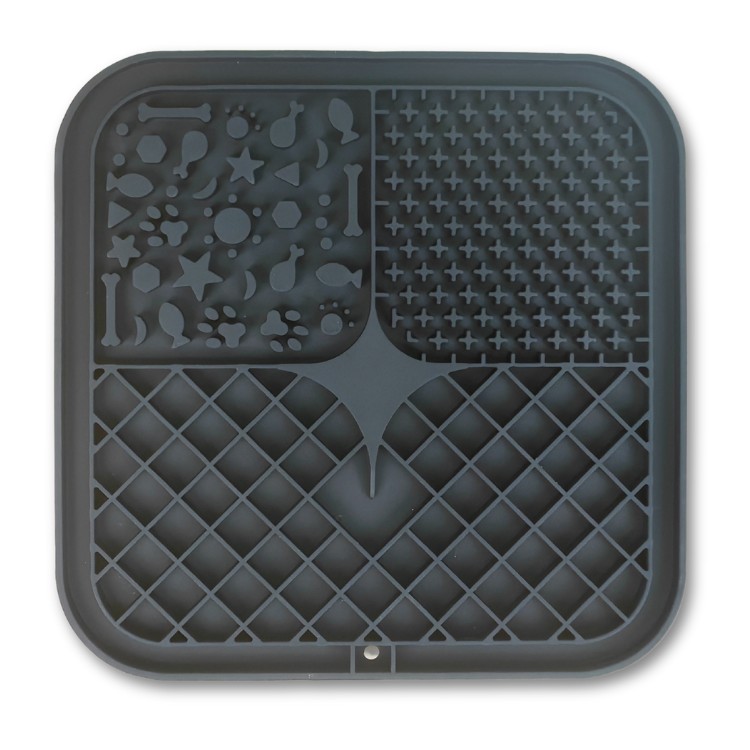
Surface texture on a mold transfers directly to the product. A polished mold gives a glossy finish. A spark-eroded surface gives a matte texture. Clients often ask for a specific feel without realizing it all starts with the mold surface treatment. We provide sample chips so you can feel the difference before committing.
Every brand we work with had a first order, and most of them made mistakes on it. The ones that succeed are the ones who learn from those mistakes and build better processes. Lemeng Silicone is here to help you skip some of the more expensive lessons. Get in touch when you are ready.