Silicone Product Sampling: What Buyers Should Know
Read:456
Sampling is the step that turns a drawing or idea into a physical silicone product the buyer can hold, test and compare against the intended use. It is also where problems in structure, material and appearance are most affordable to fix. A sample that looks acceptable on a photo can still reveal fit, flexibility, color or edge issues when handled, so buyers who know what to check at this stage avoid carrying those problems into a bulk order. The points below describe how sampling usually works and what to look for.
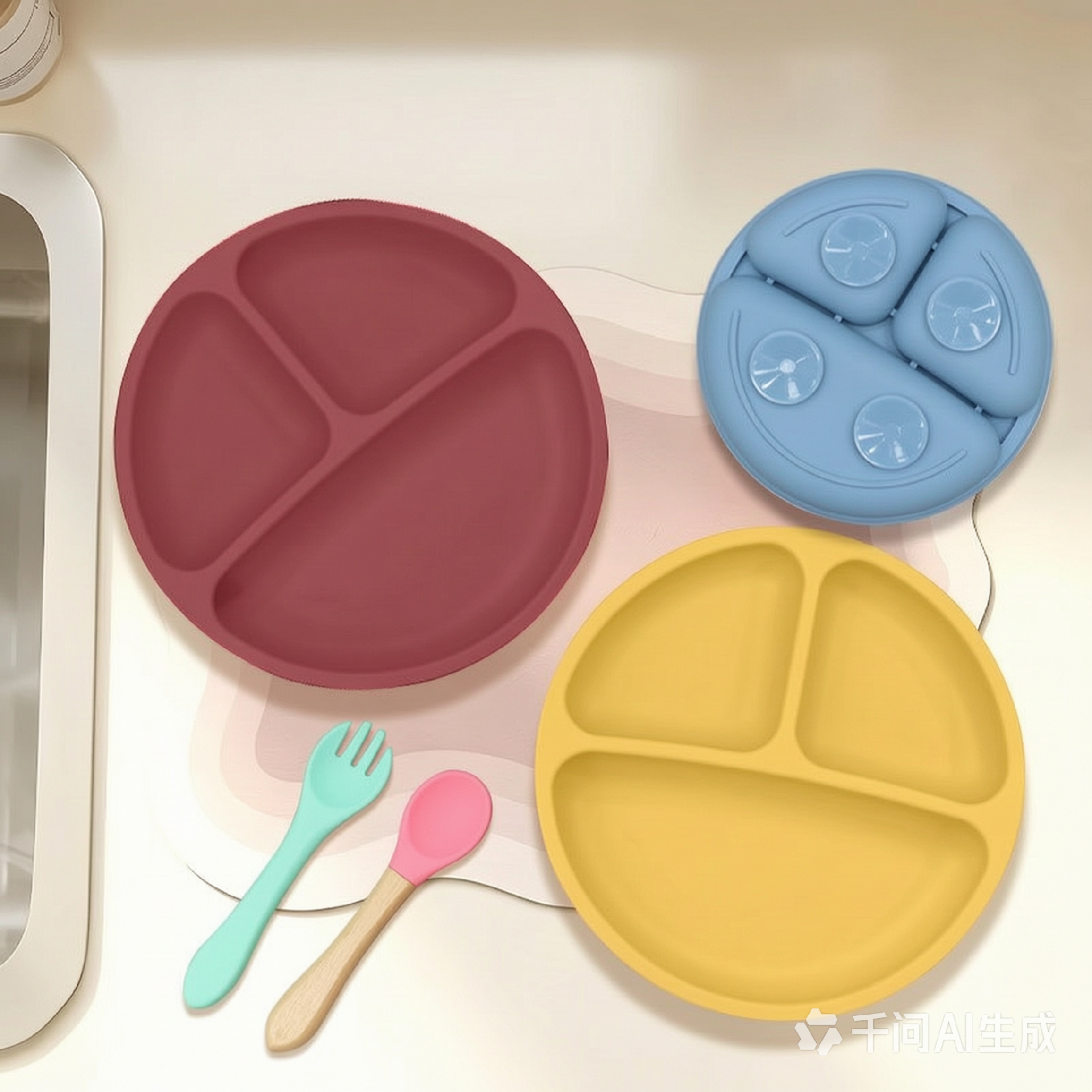
The sample timeline runs after the mold is ready. For a new custom product, mold construction comes first, then trial molding and sample adjustment. Once the mold is complete, sampling commonly takes around 7 to 15 working days, depending on structure, color matching and any revisions needed. Existing drawings or samples that do not need a new mold move faster, because machine setup and a short trial replace full tooling. Shipping time outside the factory is added on top of these production days and should be planned separately.
Ordering several samples is usually worth the small extra cost. A single sample gets lost, dropped, sent to a reviewer or kept for market feedback, which leaves nothing left to test against. Five or so samples let one unit go through drop or use testing, one stay with the internal team, one go to marketing or the sales channel, and spares cover replacement and follow-up review. For products that pair with another component, samples should also include the matching part so fit can be checked realistically.
Dimension and structure are checked first. Measure the key sizes against the drawing, especially wall thickness, opening dimensions and any feature that snaps, slides or seals. Bend and flex the part to see whether it returns to shape, and check for areas that are too thin or over-stretched. Look at undercuts and corners for clean forming, and confirm that any assembly feature lines up with the mating product. Structural problems found on the sample are adjusted in the mold before production rather than being accepted as a tolerance gap.
Appearance and material finish come next. Compare the color under the lighting conditions the product will be sold and used in, since color can shift between daylight and indoor light. Check the surface for flash, rough parting lines, pinholes, uneven texture or marks left from the mold. Test the logo whether debossed, embossed or printed, for depth and edge clarity. A mild silicone smell on a fresh part is normal, but a strong chemical odor, sticky surface or discoloration should be raised with the supplier as a material sign.
The approved sample becomes the reference for mass production. Once dimensions, color, feel and function are agreed, the sample should be kept on file and matched against later batches for shade, hardness and finish. Any agreed changes should be written into the sample record so the production run follows the final version rather than an earlier trial. Working through these checks before bulk approval reduces rework, and the sample stage is the right place to catch fit and finish issues before they are repeated across a large order.